Thinking about living in Kāneʻohe while working in Honolulu? You are not alone. Many buyers are drawn to Windward Oʻahu for its setting, housing stability, and access to the water, but they also want an honest picture of what the daily commute really feels like. This guide will help you understand the tradeoffs, the main routes, and how to decide if this lifestyle fits your routine. Let’s dive in.
Why Kāneʻohe Appeals to Honolulu Commuters
Kāneʻohe offers a very different day-to-day feel than the urban core. It is a residential area with a more settled housing profile, and Census data shows that 75.3% of occupied housing units were owner-occupied from 2019 to 2023. That supports the idea that many people choose Kāneʻohe as a long-term home base rather than a short-term stop.
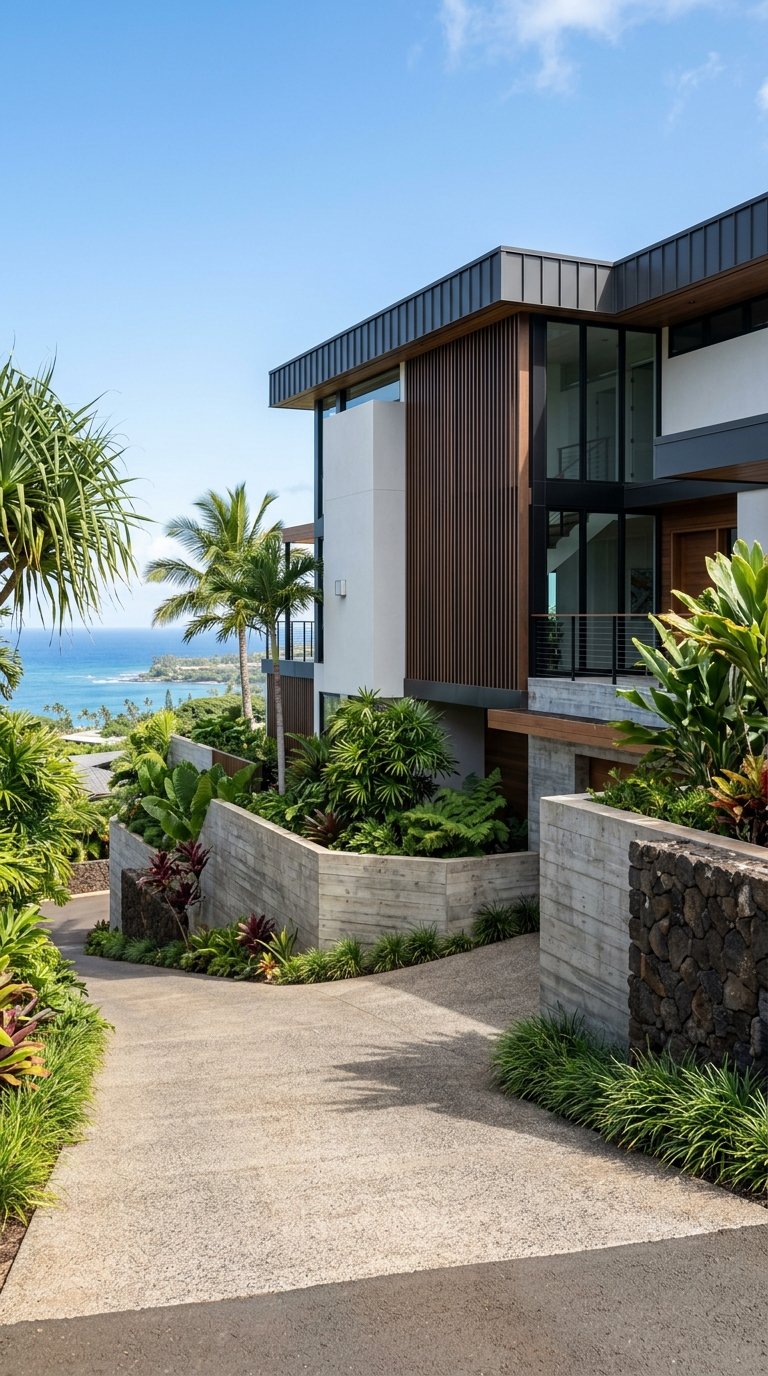
Lifestyle is a major part of the appeal. The Hawaiʻi Department of Land and Natural Resources describes Kāneʻohe Bay as the state’s largest sheltered body of water and one of only two bays in Hawaiʻi with barrier reefs. Boating, fishing, kayaking, and snorkeling are part of the area’s outdoor identity, which is a big reason some buyers accept a less predictable commute.
What the Kāneʻohe to Honolulu Commute Is Really Like
The most accurate way to think about this commute is not as one fixed drive time. It is better understood as a route-choice commute shaped by timing, traffic conditions, roadwork, and occasional incidents. If you like predictability every single morning, that is an important factor to weigh carefully.
Census QuickFacts lists a mean travel time to work of 26.9 minutes for Kāneʻohe workers age 16 and over who did not work from home. That number gives you broad context, but it does not isolate only people commuting into Honolulu. In real life, your experience will depend heavily on when you leave, where in Honolulu you are headed, and which trans-Koʻolau route is moving best that day.
Main Driving Routes to Honolulu
Kāneʻohe commuters generally rely on three official cross-Koʻolau options:
- H-3 Freeway
- Pali Highway
- Likelike Highway
The Hawaiʻi Department of Transportation centers traveler information around these three corridors, and that matters because there is no single best route at all times. A route that works well one morning may be slower the next because of maintenance, lane closures, or an accident.
H-3 Freeway
H-3 is one of the main ways to cross from the Windward side toward town. For some commuters, it can feel like the most straightforward option, especially when traffic is flowing smoothly. Still, it is only one piece of the network, not a guaranteed best route every day.
Pali Highway
Pali Highway is another key route into Honolulu. It is part of the standard set of alternatives that drivers monitor when deciding how to get across the Koʻolau range. If you are considering Kāneʻohe, it helps to think of Pali as one of several tools rather than your only answer.
Likelike Highway
Likelike also plays a major role in Windward commuting. HDOT’s traveler guidance includes it alongside H-3 and Pali, and that reflects how commonly drivers shift between these corridors. Flexibility matters here, especially when roadwork affects normal patterns.
Expect Some Variability
One of the biggest realities of living in Kāneʻohe and working in Honolulu is that closures and roadwork are a normal part of life. HDOT’s current Oʻahu roadwork information shows that Windward-side closures remain common enough that your usual route may not always be your best route. That means your commute is less about memorizing one path and more about planning ahead.
If you drive, it helps to build extra time into your schedule. It also helps to stay open to switching routes based on conditions. HDOT specifically encourages motorists to plan ahead and consider carpooling or public transportation when possible.
Can You Commute Without a Car?
Yes, you can commute from Kāneʻohe without a car, but it takes more structure than driving. Public transit is a real option, especially if you are comfortable planning around a schedule and using a route that matches your destination in town. For some households, that tradeoff is worth it.
TheBus provides several useful connections for Kāneʻohe commuters. The key is understanding that each route serves a slightly different purpose, from express weekday service to broader local coverage.
Route 85 for Express Commuting
Route 85 is the clearest commuter-oriented option. It is a weekday-only Windward Express route between Kāneʻohe or Aikahi and Downtown Honolulu, using the Likelike and Pali corridors. If your workday follows a more traditional weekday schedule, this is often the first bus route to look at.
Routes 56, 61, and 66
Other town-bound options provide flexibility:
- Route 56 connects Kāneʻohe with Kailua, Bishop/King, and Ala Moana Center.
- Route 61 runs between Kāneʻohe and Kalihi Transit Center, which connects to Skyline.
- Route 66 runs between Kāneʻohe and Downtown Bishop Street by way of Kailua.
These routes are useful if your destination is not a simple downtown commute or if you want more than one way to piece together your trip. They may not feel as direct as an express route, but they can broaden your options.
How Skyline Fits In Today
Skyline is part of the conversation, but it is not yet a full door-to-door solution for Kāneʻohe commuters. As of May 2026, Skyline runs from East Kapolei to Kalihi Transit Center, with future phases planned to extend farther toward Ala Moana. For someone living in Kāneʻohe, that means rail becomes part of a commute chain rather than the whole commute.
In practical terms, you still need a bus, car, or another connection to reach the rail corridor. Route 61 is especially relevant here because it connects Kāneʻohe to Kalihi Transit Center and Skyline Station. If you like multimodal commuting, that can be useful, but it still requires planning and transfers.
Housing Costs Matter Too
Kāneʻohe is not best described as a low-cost commuter suburb. Census data shows a median owner-occupied home value of $990,100, a median monthly owner cost with a mortgage of $3,261, and a median gross rent of $2,356. Compared with Honolulu County overall, Kāneʻohe has higher median home values and rents.
That is why the decision is usually about tradeoffs, not simple savings. You are not moving to Kāneʻohe just to cut housing costs. More often, you are choosing Windward living, water access, and a more owner-heavy residential environment, while accepting that your commute may be less predictable.
Is the Tradeoff Worth It?
For many buyers, the answer is yes. If your priorities include a Windward setting, outdoor access, and a home base that feels established and residential, Kāneʻohe can be a strong fit. The commute to Honolulu is manageable for many people, but it rewards flexibility more than routine.
If you need the same travel time every morning, the uncertainty may wear on you. If you can plan ahead, leave some buffer, and stay open to driving or transit options, Kāneʻohe can offer a lifestyle that feels worth the extra effort.
Who Should Consider Kāneʻohe
Kāneʻohe may be a good fit if you:
- Work in Honolulu but want a Windward home base
- Value water access and outdoor recreation
- Prefer an area with a high share of owner-occupied housing
- Can tolerate some commute variability
- Are open to using different routes or public transit when needed
It may be less ideal if you need a highly predictable door-to-door commute every day or are focused mainly on finding the lowest possible housing cost.
If you are weighing Kāneʻohe against other parts of Oʻahu, the right decision usually comes down to your daily routine, your budget, and how much value you place on the Windward lifestyle. If you want help comparing neighborhoods and figuring out what commute tradeoffs make sense for you, Jordan Toohey would be happy to help.
FAQs
What is the average commute from Kāneʻohe to Honolulu?
- Census QuickFacts lists a mean travel time to work of 26.9 minutes for Kāneʻohe workers age 16 and over who did not work from home, but that figure is broad and does not measure only Honolulu-bound commuters.
What are the main driving routes from Kāneʻohe to Honolulu?
- The main official cross-Koʻolau routes are H-3 Freeway, Pali Highway, and Likelike Highway, and the best choice can change based on traffic, roadwork, or incidents.
Can you commute from Kāneʻohe to Honolulu by bus?
- Yes. TheBus offers several options, including Route 85 for weekday express service and Routes 56, 61, and 66 for broader town-bound connections.
Does Skyline make the Kāneʻohe commute easier?
- Skyline can be part of the trip, but not the full commute. Kāneʻohe riders still need a bus, car, or another connection to reach the rail corridor, such as Kalihi Transit Center.
Is Kāneʻohe affordable compared with Honolulu County?
- Kāneʻohe is relatively expensive. Census data shows higher median home values and gross rents than Honolulu County overall, so the appeal is usually lifestyle and setting rather than lower housing costs.