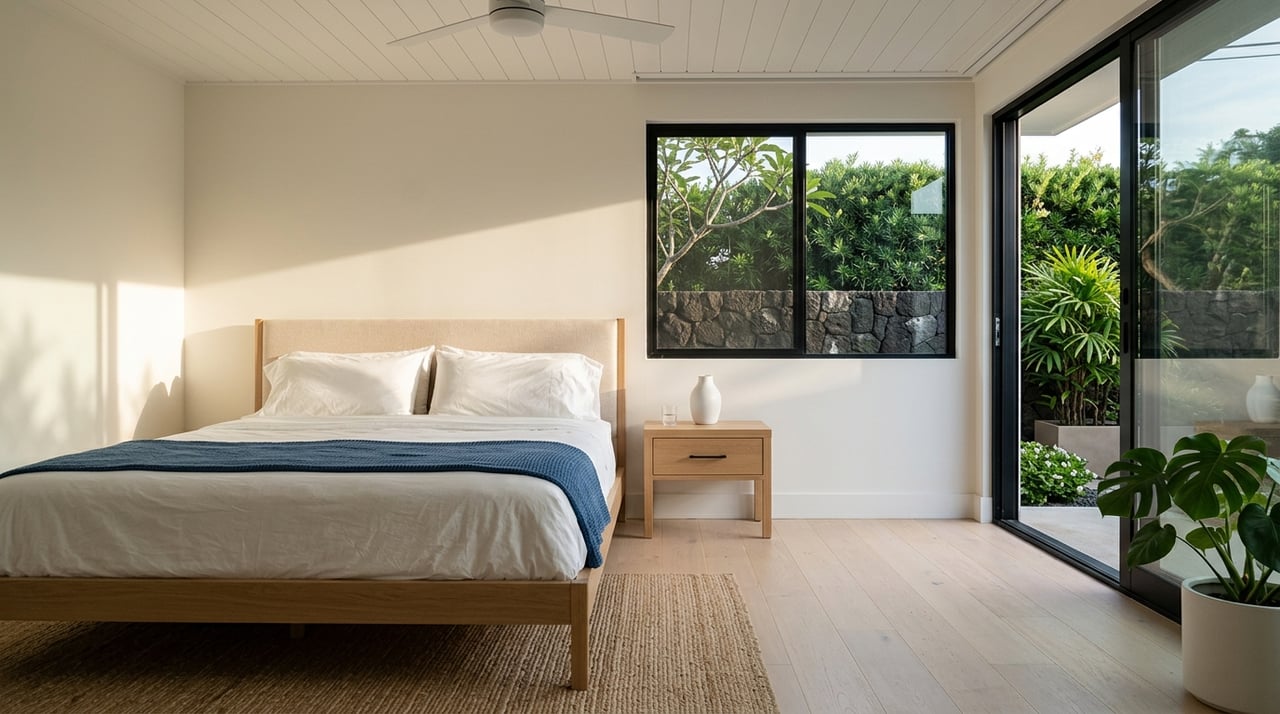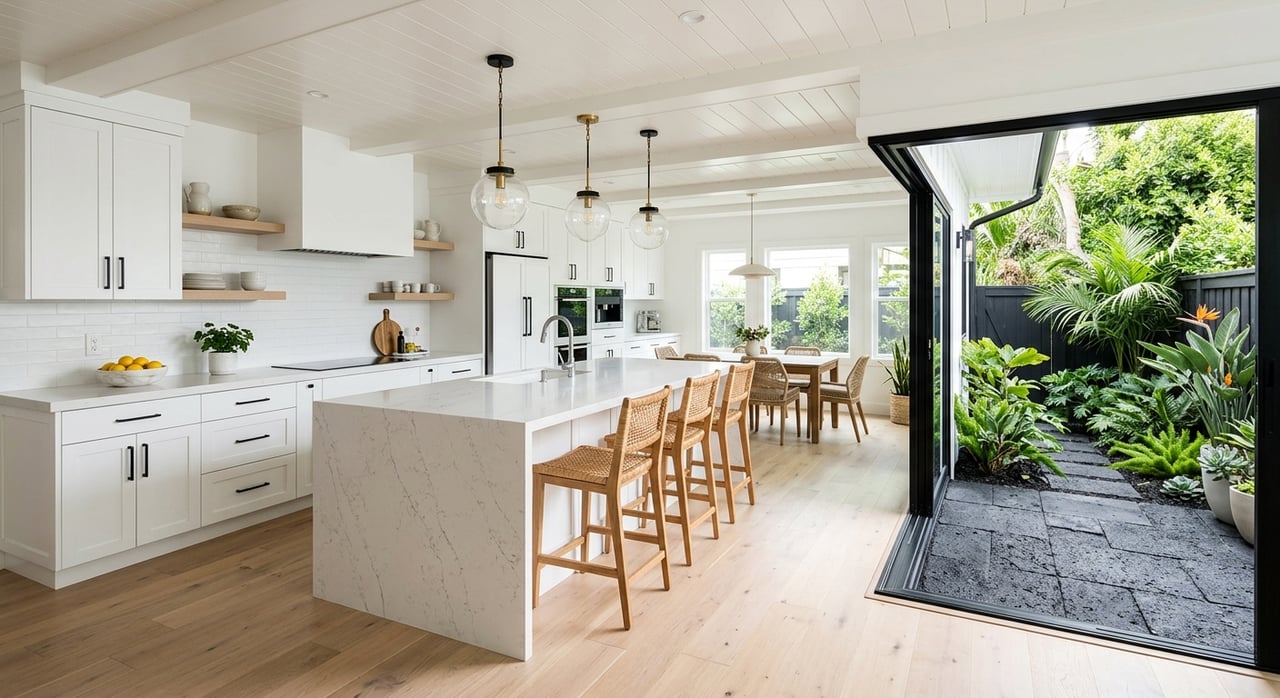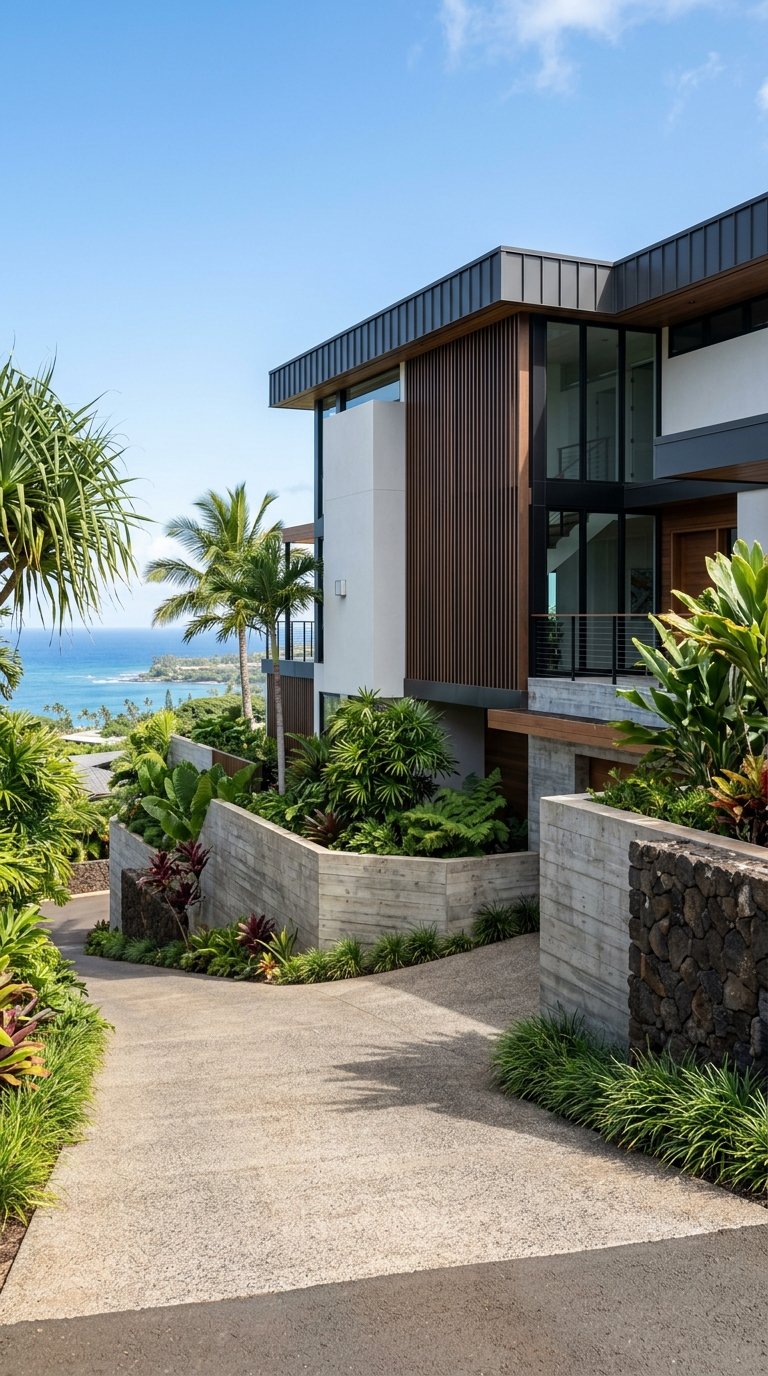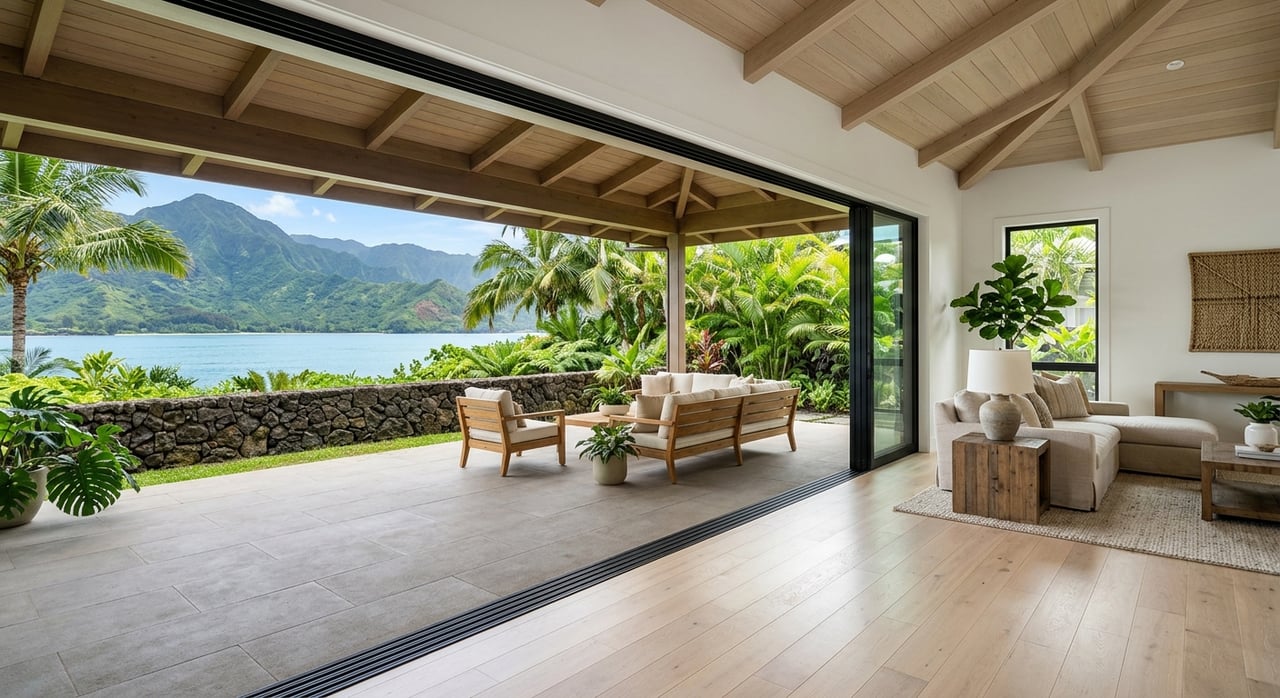
If you are looking at a Kaneohe home with a view, or getting ready to sell one, you have probably wondered the same thing: what actually makes one view worth more than another? In Kaneohe, that question matters because views are tied to the area’s unique geography, shifting weather, and a market where buyers are paying close attention to value. The good news is that view premiums are not random. When you understand what buyers respond to most, you can make smarter decisions whether you are buying, pricing, or preparing a home for sale. Let’s dive in.
Why Kaneohe Views Carry Real Weight
Kaneohe sits between the Koʻolau mountains and Kāneʻohe Bay, which gives many homes a dramatic natural backdrop that is hard to duplicate elsewhere on Oʻahu. State planning materials describe Kāneʻohe Bay as part of a watershed system running along the Koʻolau range from Kualoa Ridge to Mokapu Peninsula. That setting helps make a true view home feel rare rather than routine.
That rarity matters even more in the current market. As of March 2026, Kaneohe had a median listing price of $1,099,500, 133 active homes for sale, and a median 60 days on market, with homes selling at about 100% of list price on average. Realtor.com classified Kaneohe as a seller’s market, while the Honolulu Board of REALTORS® reported in April 2026 that buyers were becoming more selective and more focused on whether a property truly matched expectations.
In other words, a view can absolutely support value in Kaneohe, but buyers are not just paying for a nice photo. They are looking at how that view feels in everyday life.
Which Kaneohe Views Usually Command More Value
Not all views perform the same way in the market. Research on scenic views shows that the premium depends on view quality, not simply whether a listing says “view home.” That quality is often shaped by three things: the content of the view, how accessible it is from the home, and how clear or open it feels.
In Kaneohe, that points to a general pecking order rather than a strict rule. Broad bay or ocean views are usually the most valuable because they are harder to find and often have the strongest emotional pull. Wide Koʻolau mountain views can also carry strong value, especially when they are the main outlook from the rooms you use most.
By comparison, partial ocean views, filtered bay views, or narrow sightlines through nearby structures or trees usually do not command the same premium as a truly open outlook. The key point is simple: a view label alone does not create value. The actual experience of the view does.
What Turns a View Into Market Value
Main Living Areas Matter Most
A great view adds more value when you can enjoy it from the places where daily life happens. That usually means the living room, kitchen, dining area, primary suite, and lanai. A view seen from one small upstairs window may still be appealing, but it usually does not carry the same weight as a view that anchors the home’s main gathering spaces.
This is one of the biggest reasons layout still matters so much. Buyers tend to pay more for a home where the sightline is part of the home’s rhythm, not an afterthought.
Width and Clarity Shape the Premium
The more open and expansive the view, the stronger its pricing power tends to be. Research on view obstruction shows a measurable relationship between price and how blocked a view feels. A broad, clean sightline often has more value than a narrow or interrupted one, even if both technically face the same direction.
That is why two homes on the same street can perform very differently. One may capture a wide sweep of bay, mountain, or ocean, while the other gets only a partial slice.
Privacy and Permanence Matter
Buyers also care about whether the view feels protected. In Kaneohe, elevation, setbacks, neighboring rooflines, and future buildability can all affect how secure a sightline seems. If a buyer worries that a beautiful outlook could be blocked later, that can weaken the premium.
Privacy often overlaps with this issue. A view that feels open yet private usually lands better than one that comes with direct visibility from nearby homes.
Outdoor Usability Changes the Equation
In Kaneohe, a view is not just about what you see through a window. It is also about whether you can comfortably live with it outside. Hawaiʻi’s climate is shaped by persistent northeasterly trade winds and sharp rainfall differences over short distances, so sheltered outdoor space matters.
A covered lanai, protected deck, or comfortable outdoor room can increase the real-world value of a view because it turns scenery into usable living space. If the view is beautiful but the outdoor area is too exposed to wind or rain for everyday use, buyers may not value it as highly.
Condition Still Counts
Even a standout view does not erase an awkward floor plan or dated condition. View-premium studies estimate the effect of the view after accounting for other property traits. That means the premium can shrink if the home feels hard to live in, poorly updated, or disconnected from the outdoors.
Put simply, buyers are usually willing to pay for a view they can enjoy every day. They are less likely to stretch for a view that is paired with obvious compromises inside the home.
Why Two Kaneohe View Homes Can Price Differently
It is common for sellers to assume that being in the same neighborhood means homes should command similar view premiums. In reality, that shortcut often misses what buyers are actually comparing.
A buyer will usually notice details like:
- How wide the sightline is
- Which rooms face the view
- Whether the view is open or partially obstructed
- How private the outlook feels
- Whether the lanai or yard is usable in daily weather
- How likely the view is to stay intact over time
This is why strong comparable sales for a Kaneohe view home should go beyond neighborhood boundaries alone. Similar elevation, outlook, and view permanence often matter more than a matching subdivision name.
What Buyers Should Watch For
If you are buying a view home in Kaneohe, it helps to look past the first impression. A beautiful listing photo may not tell you how the view works from the kitchen table, the primary bedroom, or the lanai at different times of day.
As you evaluate a property, focus on a few practical questions:
- Is the best view visible from the main living spaces?
- Does the view feel broad and open, or narrow and interrupted?
- How comfortable is the outdoor area with local wind and rain patterns?
- Do nearby rooflines or vacant lots create future obstruction risk?
- Does the rest of the home support the premium being asked?
For some buyers, a slightly less dramatic but more usable view can be the better long-term choice. Daily livability often wins over flash.
How Sellers Can Justify a Premium
If you are selling a Kaneohe view home, the most effective strategy is to be specific. Buyers respond better when you clearly show what makes the view valuable instead of relying on broad language.
That means highlighting things like the width of the sightline, the rooms that capture it, the privacy it offers, and how the lanai, deck, or yard supports everyday enjoyment. In a selective market, those details help buyers connect the asking price to real lifestyle value.
Presentation matters too. If the view is one of the home’s strongest assets, the layout, staging, and marketing should help buyers see how it fits into daily life. A view has the most power when it feels integrated into the way the home lives.
View Premiums Come With Tradeoffs
A view can add value, but it can also come with extra considerations. In Hawaiʻi, coastal and shoreline properties may involve additional permitting and physical risks that affect buyer decision-making.
The Hawaiʻi Coastal Zone Management Program states that Special Management Area permits are the first permit required for development within the SMA. State guidance also notes that shoreline setback areas are regulated by state and county rules. FEMA flood maps also identify high-risk flood areas in Honolulu County and are updated over time.
For buyers, that means a premium should be weighed against practical factors like permitting, insurance, erosion exposure, and maintenance. For sellers, understanding these issues can help you price and position the property more realistically.
The Bottom Line on Kaneohe View Value
In Kaneohe, the highest-value view homes are usually not just the ones with pretty scenery. They are the homes where a rare sightline is paired with everyday livability. Broad bay or ocean views often lead the pack, and strong Koʻolau views can be highly compelling too, but the biggest premiums tend to go to homes where the view is open, usable, private, and experienced from the spaces you use most.
That is why pricing a view home, or deciding what to pay for one, takes more than a quick comparison. It takes local context, careful evaluation, and a clear understanding of how the market is responding right now. If you want help making sense of a Kaneohe view property, Jordan Toohey offers high-touch, neighborhood-informed guidance built around your goals.
FAQs
What makes a Kaneohe view home more valuable?
- A Kaneohe view home usually carries more value when the sightline is broad, open, and visible from main living spaces like the great room, kitchen, primary suite, and lanai.
Which views tend to be most valuable in Kaneohe?
- Broad bay or ocean views usually have the strongest premium, while wide Koʻolau mountain views can also be highly valuable when they are the home’s main outlook.
Do partial ocean or bay views add value in Kaneohe?
- Yes, partial or filtered views can add value, but they usually trail the premium attached to truly open and less obstructed sightlines.
Why does outdoor space matter for Kaneohe view homes?
- Outdoor usability matters because trade winds and rainfall patterns can affect comfort, so sheltered lanais, covered decks, and usable outdoor areas often make a view more valuable.
Should Kaneohe sellers use neighborhood comps only for view homes?
- No, view-home pricing is usually more accurate when comparable sales also match the subject property’s elevation, outlook, privacy, and likelihood of future obstruction.
What risks should buyers consider with Kaneohe coastal view properties?
- Buyers should consider factors such as SMA permitting, shoreline setback rules, flood-zone updates, insurance costs, erosion concerns, and maintenance demands when evaluating a premium for a coastal view home.