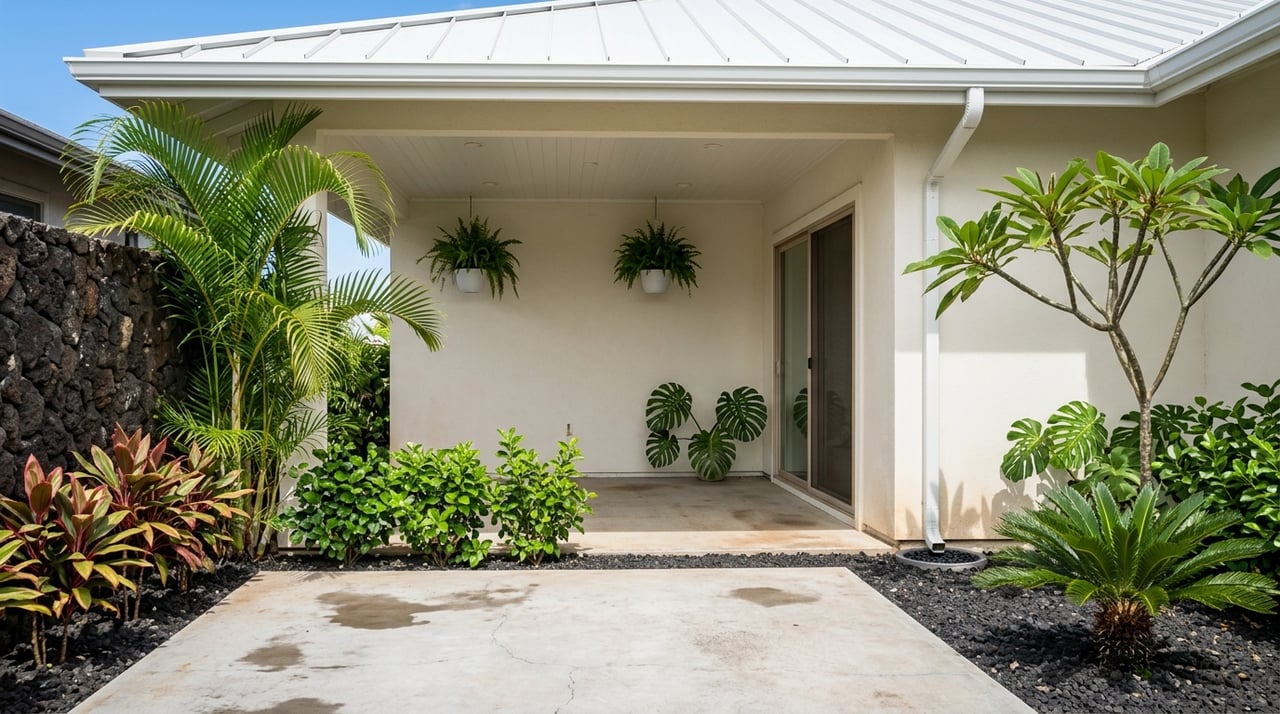
Buying your first home in Kaneohe can feel exciting and a little daunting. Prices run higher than many mainland markets, and Windward Oʻahu has a few local twists you want to understand upfront. The good news: with a clear plan, smart budgeting, and the right team, you can buy confidently and enjoy the lifestyle that draws people to Kaneohe in the first place. In this guide, you’ll learn the exact steps to take, how to compare condos and single-family homes, what hazards to check, and where to find first-time buyer help. Let’s dive in.
Kaneohe snapshot and price context
Kaneohe sits on Windward Oʻahu and offers lush views, bay access, and residential neighborhoods close to Kailua and the H-3. Recent neighborhood snapshots place median home prices roughly in the $900,000 to $1.25 million band, with single-family homes generally higher and condos or townhomes lower. Treat this as a general range and expect variation by property type, condition, and location.
If you’re aiming for your first home here, plan for a competitive but navigable market. You’ll want strong preapproval, a realistic monthly budget, and clarity about HOA costs, insurance, and property-specific risks.
Your step-by-step roadmap
1) Build your budget
Start with a target monthly number that feels sustainable. Include principal and interest, property taxes, homeowner’s insurance, and any HOA dues if you buy a condo or townhome. In Kaneohe, HOA fees vary widely and can range from the mid-hundreds to low four figures per month depending on amenities and what the fee covers.
Honolulu’s FY2025–2026 residential owner-occupied tax rate is $3.50 per $1,000 of net taxable value. That “net” number factors in local exemptions before the tax is calculated. For example, if a home’s net taxable value is $800,000, the annual property tax would be about $2,800, or roughly $233 per month. You can review the current rate in the city’s budget documents for confirmation at the time you buy. See the residential rates in the city’s agenda materials under property taxes at Honolulu’s official document site.
Two quick tips as you budget:
- Ask your lender for a payment estimate at your exact down payment and interest rate so you know your PITI.
- If you’re considering a townhome or condo, request a breakdown of what the HOA covers, like water, sewer, trash, cable, reserves, and exterior maintenance.
2) Get preapproved and know loan tiers
Most first-time buyers in Kaneohe use conventional, FHA, or VA loans. VA can be especially powerful for eligible service members and veterans, often with no down payment. You can check VA loan limit guidance at VA’s loan limits page.
Honolulu County is a high-cost area, so 2026 conforming loan limits are elevated. That matters for whether your loan is “conforming” versus “jumbo,” which can affect rates and underwriting. Confirm the current year’s limits with your lender and review the FHFA county loan limit list for reference.
3) Explore state first-time buyer help
Hawaiʻi’s state housing agency, HHFDC, administers programs that can help first-time buyers. The Hale Kamaʻāina mortgage product targets homeownership with fixed-rate 30-year options and may include down payment assistance. HHFDC also administers Mortgage Credit Certificates in applicable years. These programs have income and purchase price limits, and rules can change, so review details early and contact participating lenders to confirm your eligibility. Start at the HHFDC Hale Kamaʻāina program page.
4) Choose property type with eyes open
Condos and townhomes often offer the lowest entry price in Kaneohe. Many include amenities like pools, landscaping, and exterior maintenance. The tradeoff is a monthly HOA fee and rules about pets, parking, rentals, and renovations.
Single-family homes typically cost more up front but may have little or no HOA. Budget for yard care, roof maintenance, potential termite prevention and treatment, and higher insurance if the property sits in a higher wind or flood exposure area.
HOA due diligence checklist
Before you write an offer on a condo or townhome, request:
- Operating budget and most recent reserve study
- Meeting minutes for the past 12 months
- Any pending or recent special assessments
- Delinquency rate and collection policies
- Rental and pet rules
- Parking assignments, guest parking, and storage policies
- Insurance summary for the master policy and owner responsibilities
5) Confirm land tenure early
In Hawaiʻi, some properties are leasehold, which means you buy the home but not the land. Lenders treat leasehold differently, and remaining lease term can affect resale value and financing options. If a listing is leasehold, ask for the full ground lease, the remaining term, rent escalation schedule, and any transfer restrictions. If it is fee simple, you own both the improvements and the land. Always verify tenure in title work during escrow.
Questions to ask your agent and title company:
- Is the property fee simple or leasehold?
- If leasehold, what is the expiration date and current lease rent?
- How and when does lease rent adjust?
- Do common lenders accept this leasehold term?
6) Check hazards early
Kaneohe has coastal and backshore areas where flooding, tsunami evacuation zones, and sea-level rise exposure come into play. Identifying risks up front can protect your budget and your timeline.
Use this quick three-step check:
- FEMA flood maps. Ask your agent to pull the FEMA DFIRM panel for the property and confirm whether it sits in a Special Flood Hazard Area. If it does, request an Elevation Certificate from the seller and get a flood insurance estimate early.
- Sea-level rise and wave-driven flooding. The state uses the PacIOOS Sea-Level Rise Viewer as the reference mapping tool. View the parcel in the PacIOOS SLR Viewer and turn on the Sea Level Rise Exposure Area layer for a future-risk snapshot.
- Tsunami evacuation zones. Many Kaneohe coastal parcels lie in official evacuation areas. Review local materials and evacuation routes. For context, planning documents for Heʻeia-area parcels often note tsunami evacuation zone status, as seen in this state environmental assessment example.
If a property is in a Special Flood Hazard Area, federally backed mortgages generally require flood insurance. Budget time to obtain quotes and share any Elevation Certificate with your lender and insurer.
7) Inspections, wind code, and insurance
Order a standard home inspection plus a separate wood-destroying organism inspection. Hawaiʻi has persistent termite pressure, so termite prevention and treatment are routine parts of homeownership. The University of Hawaiʻi’s Cooperative Extension offers helpful background on inspection and prevention steps in this CTAHR resource.
Hawaiʻi’s building code includes statewide wind provisions tied to the International Building Code and ASCE standards. In higher wind exposure areas, lenders and insurers may look closely at roof strapping, window protection, and structural connections. Structural upgrades and impact-resistant glazing are common cost items. You can review the state’s wind design adoption in the official code amendments.
After you go under contract, request homeowner’s insurance quotes right away. If the home is in a flood zone, get flood quotes at the same time to confirm premiums and coverage.
8) Close with confidence
Share all property-specific items with your lender early: HOA docs, flood zone information, leasehold terms if applicable, and any unique building features. Ask your lender to confirm which loan programs fit your price point and whether your loan is conforming or jumbo based on Honolulu’s current limits. This helps prevent last-minute underwriting surprises and keeps closing on track.
Quick Kaneohe buyer checklist
Use this as a simple reference as you move from research to contract:
- Set a monthly budget that includes PITI, HOA fees if any, and a maintenance reserve.
- Review Honolulu’s current owner-occupied tax rate at the city’s document portal and estimate annual taxes using net taxable value.
- Get preapproved and confirm whether your loan is conforming or jumbo using the FHFA county limits.
- If you are eligible, review HHFDC’s Hale Kamaʻāina program and ask participating lenders about down payment assistance or MCC availability.
- Decide condo or townhome versus single-family and request HOA documents before you write an offer.
- Confirm land tenure and, if leasehold, read the full lease and escalation terms.
- Screen hazards early: check flood panels, the PacIOOS SLR Viewer, and tsunami evacuation materials.
- Order a general inspection plus a WDO inspection and plan for wind-related upgrades if needed.
- Obtain insurance quotes as soon as you have a signed contract.
Local living notes
Schools. Much of Kaneohe is served within the Castle complex. For neutral, up-to-date information about complex areas, school names, and contacts, use the Department of Education’s Complex Area Directory. Always verify school service areas directly with the DOE.
Commute and community. Marine Corps Base Hawaiʻi at Kaneohe Bay influences local moves and rental demand. Kaneohe’s access to H-3, Likelike, and Pali helps connect you with the rest of the island while you enjoy Windward’s green valley views and bay breezes.
Maintenance realities. The humid tropical climate means steady attention to moisture control, exterior coatings, and termite prevention. Build a small monthly reserve for these recurring costs so they do not surprise you.
Ready to take the next step?
If you want a calm, step-by-step process and local guidance tailored to Windward Oʻahu, we’re here to help. Let’s talk through your budget, loan options, and the neighborhoods that fit your goals. Schedule a free consultation with Jordan Toohey to get started.
FAQs
What should first-time buyers know about Kaneohe prices?
- Kaneohe’s neighborhood-level medians often range from about $900,000 to $1.25 million, with condos and townhomes generally lower than single-family homes. Budget by property type and location.
How much are condo HOA fees in Kaneohe?
- Fees commonly fall in the mid-hundreds to low four figures per month, depending on amenities and services like water, sewer, trash, cable, insurance, and reserves. Always verify what the fee covers.
How do Honolulu property taxes work for owner occupants?
- The FY2025–2026 rate is $3.50 per $1,000 of net taxable value. “Net” reflects exemptions that reduce the taxable amount. Divide the annual total by 12 for a monthly estimate.
What first-time buyer programs exist in Hawaiʻi?
- HHFDC’s Hale Kamaʻāina product offers fixed-rate 30-year options and may include down payment assistance, while Mortgage Credit Certificates may be available in certain years. Income and price limits apply.
How can I check if a Kaneohe home is in a flood or tsunami zone?
- Ask your agent for the FEMA DFIRM panel and an Elevation Certificate if near a flood zone, review the parcel in the PacIOOS SLR Viewer, and confirm tsunami evacuation routes with local resources.