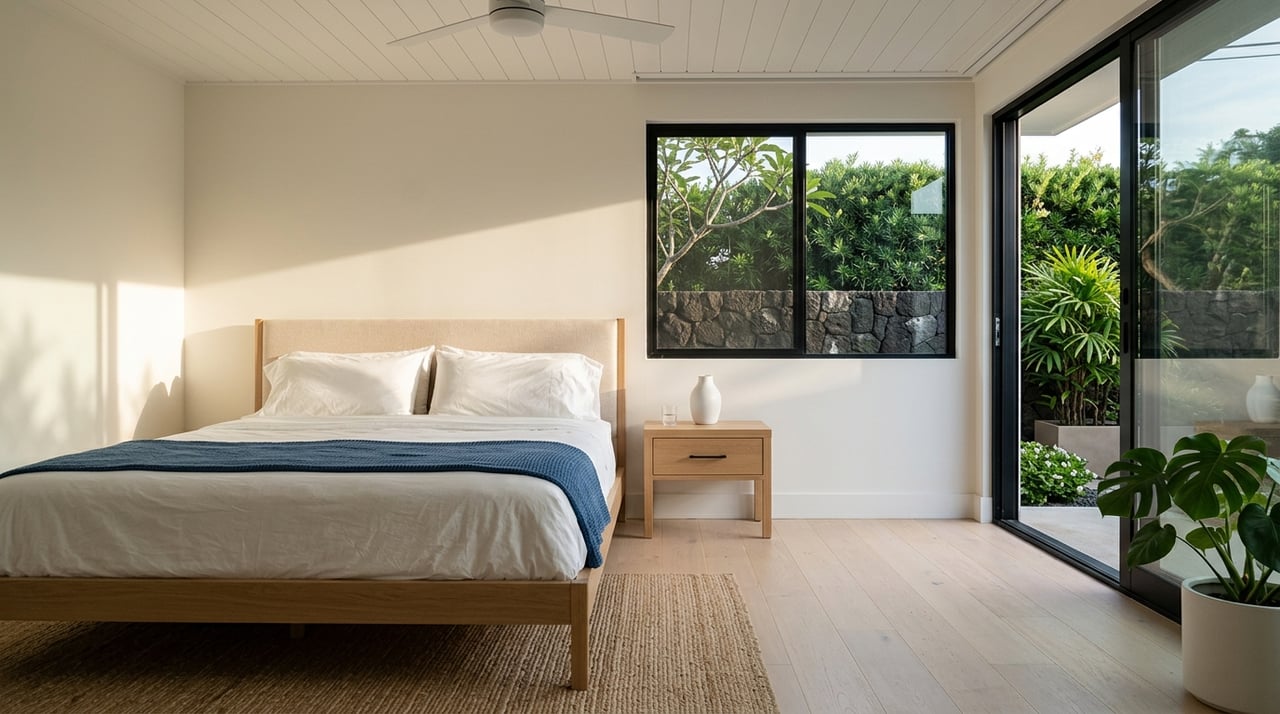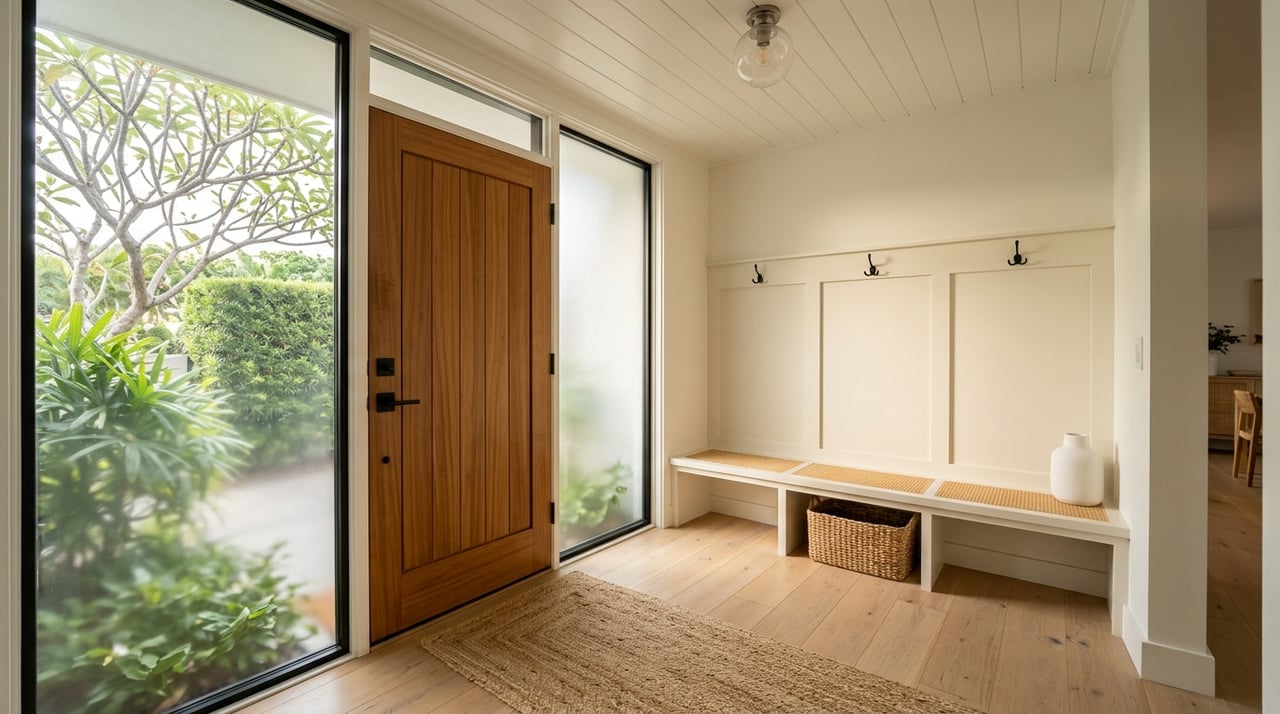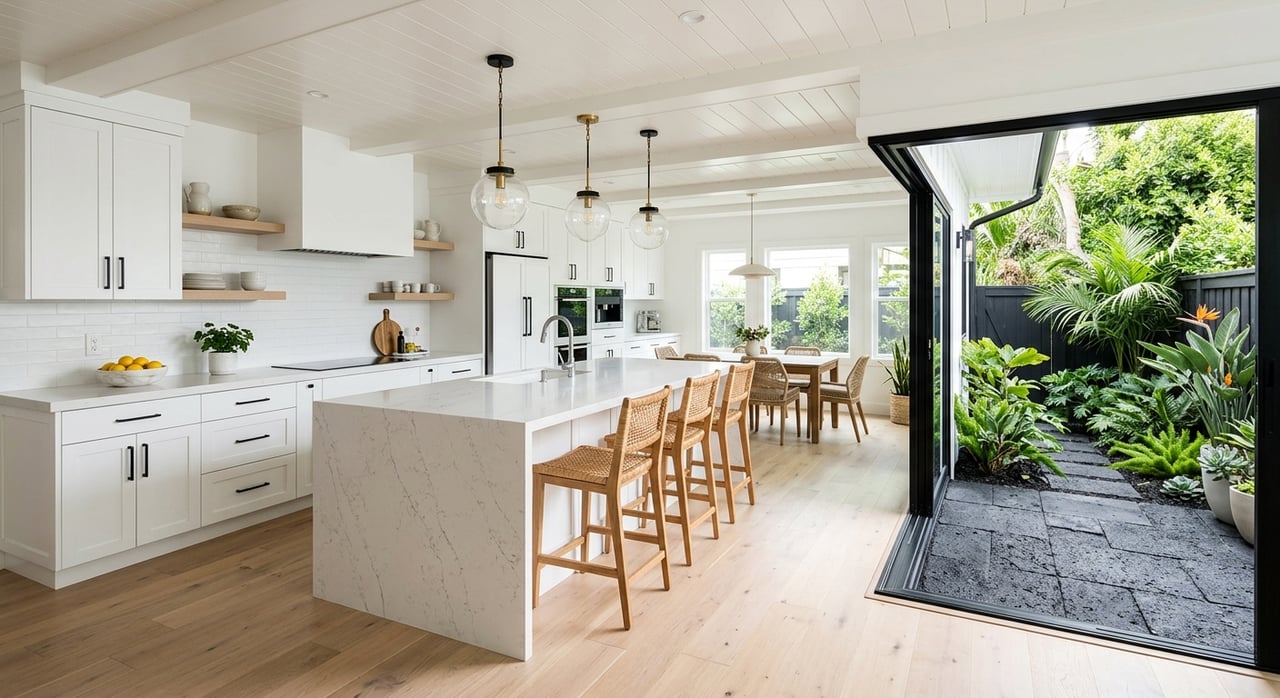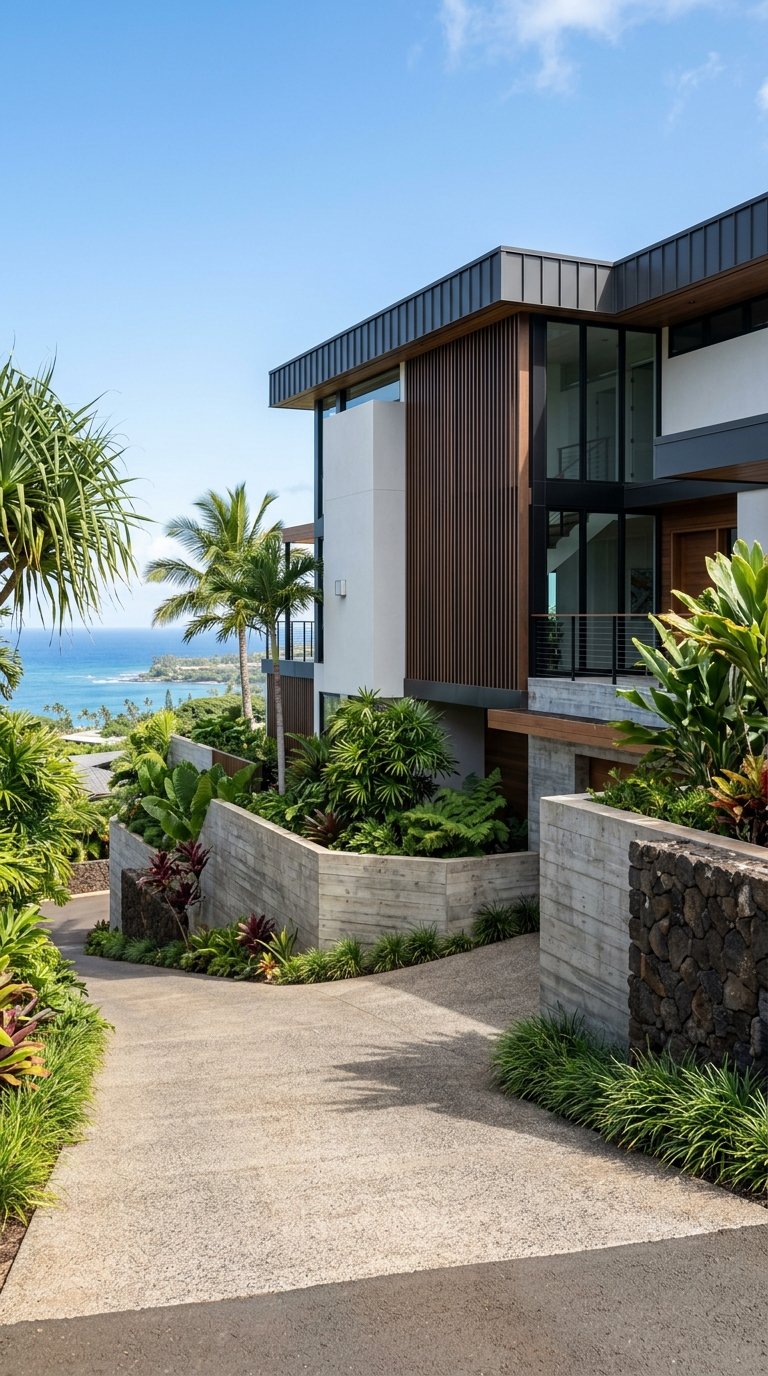
If you are thinking about selling in Kailua, timing and strategy matter more than ever. Buyers are still active, but they are also more price-sensitive and quick to compare options. When your home is prepared well, priced with care, and marketed with clear detail, you can put yourself in a much stronger position. Let’s dive in.
Understand the Kailua market
Kailua sellers should look at the closest available local proxy, which groups Kailua with Waimanalo in the latest market update. In February 2026, single-family homes in that area had 10 closed sales, a median price of $1,535,000, a median of 8 days on market, and sellers received 97.2% of original list price on average. The same report showed 56 active listings, which was up year over year, so competition is meaningful even in a desirable market.
That speed stands out when compared with broader Oʻahu trends. According to the February 2026 Oʻahu market report, the islandwide median price for single-family homes was $1,205,000 and median days on market were 17. That tells you Kailua-area homes can still move quickly, but buyers have alternatives and expect pricing to make sense.
Another factor is financing. As of April 1, 2026, sample 30-year fixed mortgage rates were around 5.75% to 5.875%. Higher borrowing costs can make buyers more careful, even at higher price points, so your strategy should reflect today’s payment reality rather than last year’s headlines.
Price with precision
One of the smartest things you can do is resist the urge to "test the market" with a large premium. The Kailua-Waimanalo numbers suggest that well-positioned homes can sell near list price and quickly, but that does not mean every home will. More active inventory means buyers can compare condition, location, and value side by side.
A strong pricing plan should rely on recent comparable sales, current competition, and the broader trend line rather than one standout sale. The Honolulu Board of Realtors notes in its market report that monthly medians can shift based on which homes happened to close in a given month. In other words, one headline number does not tell the full story.
If you own a condo or townhome in Kailua, pricing discipline becomes even more important. The local report indicates slower absorption and longer market times in attached-home segments than in single-family homes. That usually means buyers have more time to evaluate options and more leverage when a property feels overpriced.
Build your pre-listing packet early
A smooth sale often starts before your home ever hits the market. Hawaii requires sellers to provide a residential property disclosure statement no later than 10 calendar days after acceptance of a purchase contract. After receiving it, the buyer has 15 calendar days to review the disclosure and may rescind during that period under Hawaii Revised Statutes Chapter 508D.
That timeline is one reason early preparation matters. The same statute supports preparing the disclosure in good faith and with due care using personal knowledge, government records, third-party reports, and association or managing-agent information where relevant. Practically, that means it is wise to gather important documents before listing instead of scrambling later.
Your pre-listing packet may include:
- Permit records
- Repair and maintenance invoices
- Prior inspection reports
- Warranties or service records
- HOA or association documents, if applicable
- Utility or system information you know buyers commonly ask about
If you discover a new material fact before recording, Hawaii law requires an amended disclosure within 10 calendar days of discovery. Keeping records organized from the start can reduce stress, support clearer negotiations, and help avoid delays.
Pay attention to lead paint and flood details
Some Kailua homes need extra diligence because of age or location. If your home was built before 1978, federal rules may require you to provide buyers with the EPA pamphlet, disclose known lead-based paint or lead hazards, share available reports, and give buyers a 10-day opportunity for a paint inspection or risk assessment unless that opportunity is waived. The EPA’s real estate disclosure guidance outlines these requirements.
For homes in Kailua, flood-zone status is another important item to verify. You can confirm mapping through the FEMA Flood Map Service Center. This matters because FEMA notes that most homeowners insurance does not cover flood damage, so buyers may ask early questions about flood risk, insurance, and past issues.
These details do not have to derail a sale. They simply need to be handled accurately and proactively. Clear information builds trust and helps serious buyers move forward with fewer surprises.
Prepare your home to compete
In a market where buyers can compare listings quickly, presentation still matters. Your goal is not to make your home look generic. It is to make it feel well cared for, easy to understand, and ready for buyers to evaluate with confidence.
Focus on the basics first:
- Clean thoroughly, inside and out
- Address visible maintenance items
- Improve lighting and airflow where possible
- Simplify rooms so space reads clearly
- Refresh entry areas and outdoor spaces
- Make sure major features and upgrades are easy to document
In Kailua, buyers often notice practical details as much as style. Condition, functionality, layout, storage, parking, and outdoor usability can all influence how your home stacks up against nearby options. A polished presentation supports stronger photos, better showings, and more confidence in your asking price.
Market the property, not just the ZIP code
Strong marketing starts with accurate MLS input and clear positioning. Buyers using the public Oʻahu property search can filter by region, neighborhood, street address, condo or townhome category, and MLS number. They can also review the open-house report, which is updated every Friday.
That means visibility depends on details. If your listing data is incomplete, your photos are weak, or your property description is vague, buyers can move on fast. On the other hand, when the listing clearly explains what sets your home apart, you give buyers a reason to schedule a showing.
For many Kailua homes, the strongest marketing angle is the property’s concrete differentiators. That could include a renovated kitchen, flexible floor plan, permitted improvements, outdoor living space, lot configuration, storage, or other tangible features that buyers can compare directly. Specifics usually work better than broad lifestyle claims.
Be ready for fast, informed negotiations
A quick market does not always mean an easy transaction. Smart negotiation is often about preparation, timing, and documentation as much as price. Buyers know they have rights tied to disclosures and inspections, so clear communication can make a big difference once offers come in.
A few smart negotiation habits include:
- Respond quickly to inspection-related questions
- Provide documentation in an organized format
- Clarify timelines early
- Review repair requests with the full picture in mind
- Keep disclosure updates current if new material facts arise
When buyers feel they are getting timely answers and a clean paper trail, deals tend to move with less friction. That can help protect your timeline and reduce the odds of last-minute surprises.
Estimate your net realistically
Your sale price is only part of the story. Hawaii also imposes a conveyance tax on real-property transfers, and rates vary based on value and, in some situations, purchaser homeowner-exemption eligibility. You can review the governing law in HRS Chapter 247.
For sellers, the key takeaway is simple: build transfer costs into your net-sheet planning early. When you understand likely costs from the beginning, it becomes easier to evaluate pricing decisions, concessions, and offer terms with confidence.
Work from a local plan
Selling your Kailua home is not just about listing at the right time. It is about combining market-aware pricing, careful preparation, accurate disclosures, and property-specific marketing into one clear plan. In a market where buyers can act fast but still scrutinize value, small strategic decisions can have a real impact on your result.
If you want personalized guidance built around your home, your timeline, and current Kailua market conditions, connect with Jordan Toohey. You will get a client-first approach, clear advice, and a smart plan designed to help you sell with confidence.
FAQs
What is the current market pace for selling a Kailua home?
- The closest available Kailua-area proxy showed single-family homes with a median of 8 days on market in February 2026, which suggests well-positioned homes can move quickly.
How should you price a home for sale in Kailua?
- You should base pricing on recent comparable sales, current competition, and recent trend lines rather than one standout sale or an aggressive premium.
What disclosures are required when selling a home in Hawaii?
- Hawaii requires a residential property disclosure statement within 10 calendar days after contract acceptance, and buyers then have 15 calendar days to review it and potentially rescind.
What should Kailua sellers gather before listing a home?
- You should gather items like permits, repair invoices, inspection reports, warranties, and any HOA or association documents that may help support disclosures and buyer questions.
Do Kailua home sellers need to check flood-zone status?
- Yes, verifying flood-zone status is a smart step for Kailua properties because buyers may ask about flood risk and most homeowners insurance does not cover flood damage.
What extra rules apply when selling a pre-1978 Kailua home?
- If the home was built before 1978, federal lead-based paint disclosure rules may apply, including required disclosures, reports, and a buyer opportunity for inspection unless waived.