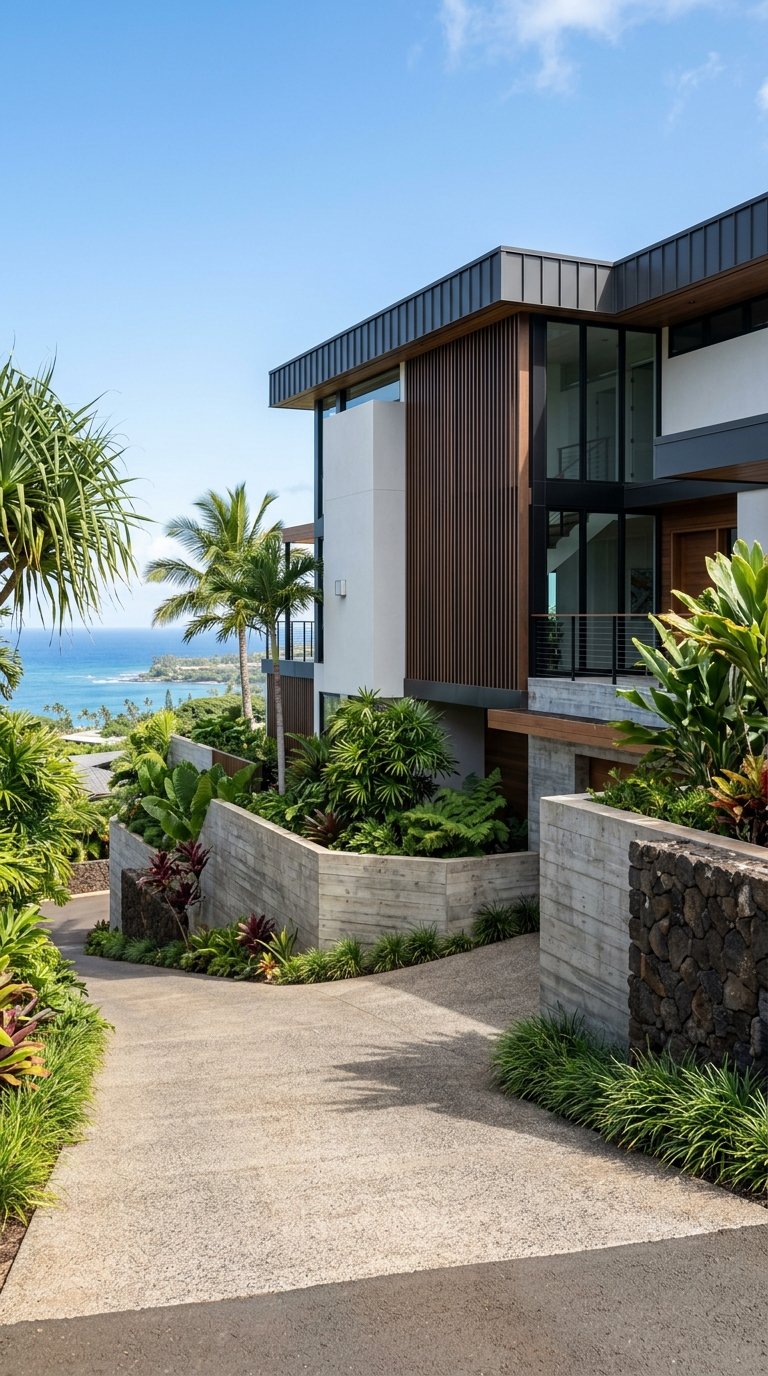
If you picture Kailua as nothing but postcard beaches, you are only seeing part of the story. Living here means balancing stunning shoreline access with real day-to-day considerations like traffic, parking, housing costs, and the rhythm of a highly engaged community. If you are trying to decide whether Kailua fits your lifestyle, this guide will help you understand what daily life actually feels like. Let’s dive in.
Kailua Is More Than a Beach Town
Kailua sits on Oʻahu’s Windward side and is home to 40,514 residents across 7.77 square miles, according to the U.S. Census QuickFacts for Kailua CDP. That gives it a lived-in, established feel rather than a resort-only identity.
What many people do not realize is that Kailua includes a mix of areas like Kailua Town Center, Enchanted Lakes, Kailua Heights, Keolu Hills, Lanikai, and Maunawili, based on local planning documents. In practice, that means your experience can vary a lot depending on where you live. Near the shoreline, life may feel more tied to beach activity and visitor traffic. Closer to town or farther inland, the feel can be more residential and routine-driven.
Daily Life Feels Active and Outdoorsy
If you love being outside, Kailua has a lot to offer. The Koʻolau Poko plan describes Kailua Bay as a major recreation area for swimming, body surfing, windsurfing, kayaking, and canoe racing, and Hawaii Ocean Safety lists Kailua Beach as a lifeguarded beach with daily coverage from 8:00 a.m. to 6:30 p.m.
That outdoor access is a real part of local life, not just a visitor perk. Many people are drawn to Kailua because the beach, ocean activities, and open-air routine can become part of your week in a very normal way. A morning walk, a paddle after work, or a weekend beach stop can feel built into the lifestyle.
The Beach Is Beautiful and Busy
Kailua Beach is one of the area’s biggest draws, but it is also one of the clearest examples of why living in Kailua is not the same as vacationing here. A city and Sea Grant report estimates about 1,700 to 1,800 visitors per day at Kailua Beach Park. So even if your neighborhood feels calm, the beach itself can feel very active.
Weekend and holiday parking is in especially high demand at Kailua Beach Park and Kalama Beach Park, according to local planning materials. Public rights-of-way along Kalaheo Avenue also do not have off-street parking, restrooms, or showers. If beach convenience matters to you, these practical details are worth weighing.
Lanikai Has Its Own Trade-Offs
Lanikai often gets attention for its shoreline views and access to the Mokulua Islands, but daily life there comes with some specific limitations. The Lanikai Transportation Management Plan notes that the area has only one public roadway outlet, no public parking lots, no beach restrooms or showers, and no lifeguards on that half-mile stretch.
The same plan also notes that the Lanikai Pillbox trail area lacks parking and visitor amenities. For residents, that can mean seasonal congestion and close attention to access issues. For buyers, it means location appeal should be weighed alongside how movement in and out of the area works in real life.
Shoreline Conditions Are Part of Life Here
Living near the coast in Kailua also means paying attention to shoreline conditions. Planning documents note that Kailua Beach has a dynamic shoreline that goes through erosion and accretion cycles, and the city has been restoring dunes on the Lanikai side because erosion has led to exposed roots, tilted trees, and other shoreline safety concerns.
That does not take away from the beauty of the area, but it does add an important layer of realism. In Kailua, the coast is not static. It is something the community actively manages and monitors.
Housing Costs Are Higher Than County Norms
One of the biggest realities of living in Kailua is cost. The Census QuickFacts data shows a median owner-occupied home value of $1.35 million and a median gross rent of $3,093. For comparison, Honolulu County medians are lower at $897,500 for owner-occupied housing and $2,083 for rent.
Median selected monthly owner costs with a mortgage are $3,948, which also points to the higher cost of entry. If you are considering a move to Kailua, budgeting carefully matters. The lifestyle can be compelling, but it usually comes with a premium.
Kailua Feels Stable and Established
Kailua tends to feel like a rooted community rather than a place where people are constantly cycling in and out. Census data shows 72.3% owner occupancy, and 88.3% of residents lived in the same home one year earlier.
That stability often shows up in the feel of the area. Streets and neighborhoods can feel settled, and local issues tend to matter because many residents are deeply invested in the long-term quality of life here. If you want a community with a more established residential base, Kailua may appeal to you.
Schools Shape the Community Feel
Kailua has a substantial public school presence in and around the area. Hawaiʻi public school listings identify Kailua Elementary, ʻAikahi Elementary, Kailua Intermediate, and Kailua High in the broader Kailua-Kalāheo complex area, and the charter commission lists Kaʻōhao School as a Kailua K-6 charter school.
Recent recognitions also help explain why many people experience Kailua as community-oriented. The DOE reported that Kaʻelepulu and Maunawili elementary schools received 2023 National Blue Ribbon recognition, and Kailua High was recognized in 2025 as a Hawaiʻi School of Democracy. These kinds of institutional anchors can influence how connected and active a community feels.
Getting Around Takes Planning
Kailua is not isolated, but daily transportation still requires some thought. The Census reports a mean commute time of 29.1 minutes, a bit above Honolulu County’s 26.7 minutes. That is manageable for many residents, but it shows that travel time is part of everyday life.
Local infrastructure projects also reflect how important movement and safety are to residents. The city’s Complete Streets annual report highlights work on Kalāheo Avenue, Kailua Road, Kuʻulei Road, and Keolu Drive, including efforts to better connect inland neighborhoods to Kailua Road and the commercial center.
Transit and biking are part of the mix
Kailua is not only about driving. The Lanikai Transportation Management Plan says TheBus Route 671 runs about every 40 minutes between Kailua Town and Lanikai, with onward links toward Downtown Honolulu, Kāneʻohe, and Ala Moana.
Bike and pedestrian safety also come up regularly in local planning and neighborhood board discussions. That tells you something important about living here. Kailua is a place where transportation is part of the community conversation, not just a background issue.
Community Involvement Is Real
One of the less obvious parts of living in Kailua is how engaged the community is. Kailua Neighborhood Board meeting agendas routinely cover topics like bicyclist safety, road repaving, roundabout construction, Complete Streets projects, and Lanikai traffic management.
That civic involvement shapes the tone of the area. Kailua often feels like a place where residents pay attention, speak up, and care about how the community evolves. If you like places with a strong local voice, that can be a real plus.
Who Kailua Usually Fits Best
Kailua often makes the most sense for people who want a residential coastal lifestyle with strong outdoor access and a stable community feel. It can be especially appealing if you value beach proximity, neighborhood identity, and a more suburban pace than urban Honolulu.
At the same time, it may be less ideal if you want low housing costs, effortless parking near major beach areas, or a fast-paced urban environment. In other words, Kailua offers something special, but it asks for trade-offs.
Final Thoughts on Living in Kailua
What it is really like to live in Kailua comes down to contrast. You get extraordinary natural beauty, a strong residential base, and an active community culture, but you also need to be comfortable with high costs, busy beach zones, and the logistics that come with living in a sought-after coastal town.
If you are considering a move, the key is choosing the part of Kailua and the type of home that best matches your routine, budget, and priorities. If you want local guidance grounded in neighborhood-level insight, Jordan Toohey can help you explore Kailua with a clear picture of what daily life really looks like.
FAQs
What is everyday life like in Kailua, Hawaii?
- Everyday life in Kailua often feels active, residential, and outdoor-oriented, with many residents balancing beach access, community involvement, and normal routines like commuting, school schedules, and local shopping.
Is Kailua, Oʻahu expensive compared with the rest of Honolulu County?
- Yes. Census data shows Kailua’s median owner-occupied home value is $1.35 million and median gross rent is $3,093, both higher than Honolulu County medians.
Is Kailua Beach crowded if you live nearby?
- It can be. A city and Sea Grant report estimates roughly 1,700 to 1,800 daily visitors at Kailua Beach Park, which helps explain why the beach may feel busier than nearby residential streets.
What is transportation like in Kailua for residents?
- Getting around usually involves a mix of driving, biking, and limited bus service, and commute times, beach traffic, and parking conditions can all affect day-to-day convenience.
Does Kailua have a strong community feel for residents?
- Yes. High owner occupancy, residential stability, and active neighborhood discussions around safety, traffic, and infrastructure all point to a community that is engaged and invested in local quality of life.