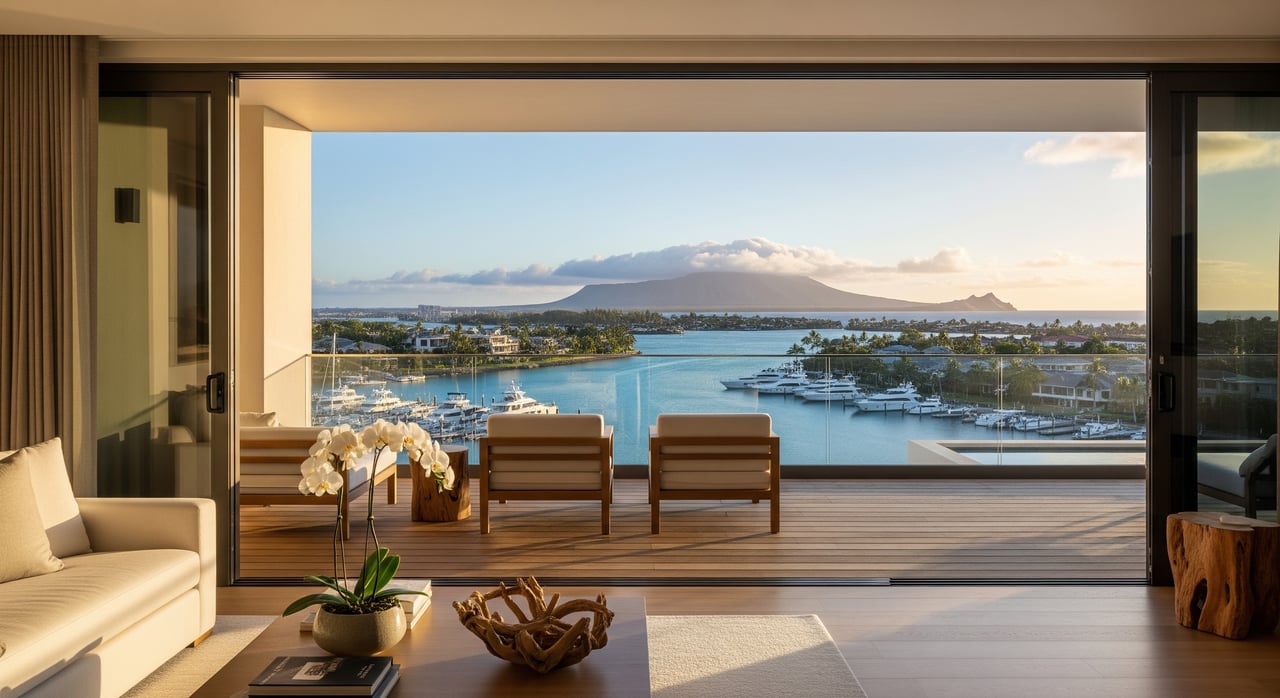
Trying to decide between a condo, townhome, or single-family home in Hawaii Kai? You are not alone. Many buyers love the marina lifestyle, views, and outdoor access here, then pause when they weigh space, costs, commute, and long-term flexibility. This guide breaks down the real trade-offs in plain language so you can match your budget and lifestyle to the right property type. Let’s dive in.
Quick take: condo vs. house in Hawaii Kai
- If you want low maintenance, on-site amenities, and a walkable marina lifestyle, a condo often fits best.
- If you want a yard, more privacy, and full control over improvements, a single-family home is the stronger match.
- If you want a middle ground, a townhome may deliver more space and a small yard or patio with manageable HOA care.
What condos look like in Hawaii Kai
You will find many condos near the marina, around Koko Marina Center, and in higher-density pockets inland. Buildings range from mid- and high-rise towers to low-rise garden communities and planned developments along canals. Buyers here often include first-time purchasers, downsizers, second-home owners, and some investors, subject to rental rules.
Most condo communities offer assigned parking stalls, sometimes tandem, and shared amenities like pools, fitness rooms, community lounges, on-site management, and security. The association typically handles exterior maintenance and common-area landscaping. This convenience is a major draw if you value a lock-and-leave lifestyle and prefer spending your time on the water, not yard work.
What townhomes look like
Townhomes in Hawaii Kai often bridge the gap between condo living and a detached home. Expect multi-level layouts with private entrances and, in some cases, small fenced yards or patios. These homes can deliver more interior space and storage than many condos while still offering exterior maintenance through the HOA.
Townhomes are popular with buyers who want the feel of a home and more privacy, yet prefer not to take on full responsibility for a roof, exterior painting, or large landscaping projects. Shared amenities may be more limited than those in larger condo towers.
What single-family homes look like
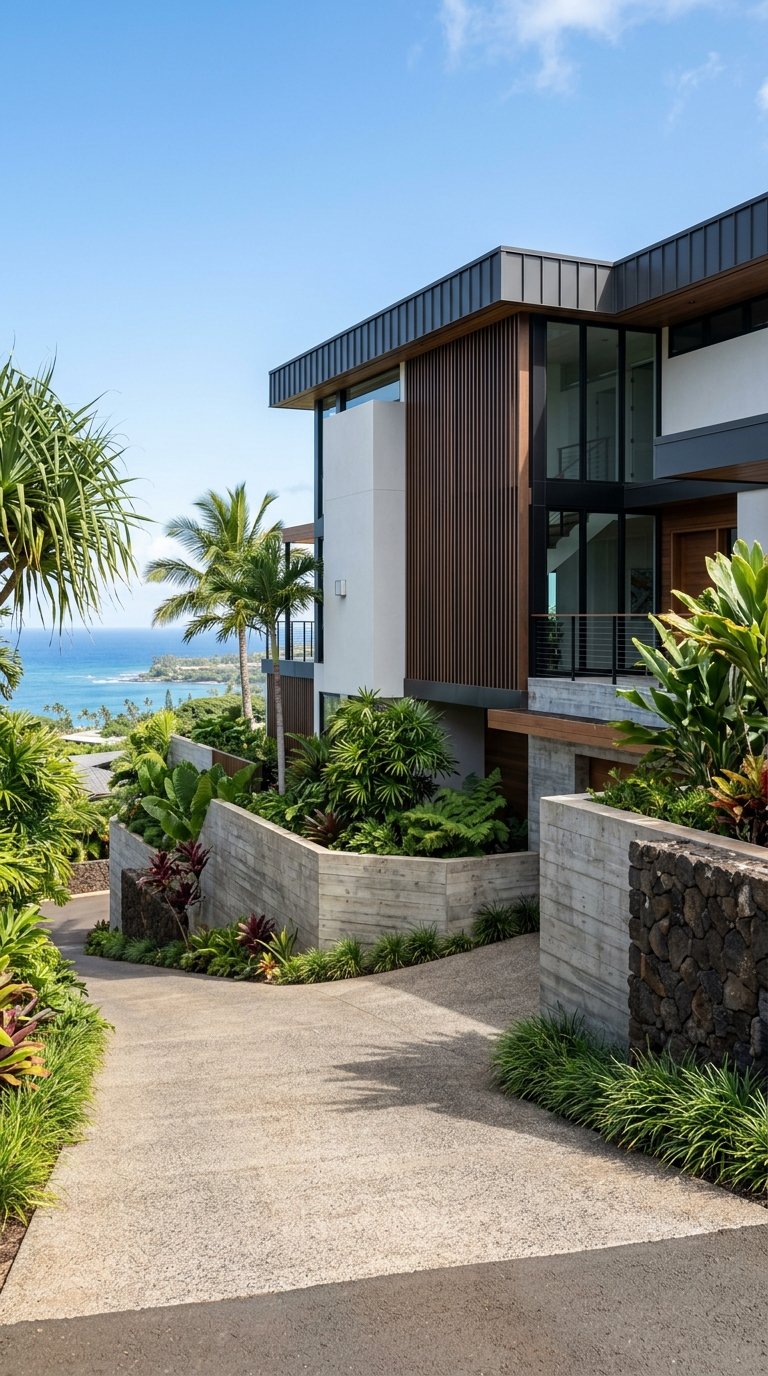
Detached homes are found along inland residential streets and in higher-end pockets near the coastline, including the Portlock area with oceanfront properties and panoramic views. Many buyers choose a single-family home to gain a yard, multiple-car garage options, and greater control over exterior changes.
As the owner, you handle maintenance, landscaping, and repairs unless the property is in a planned or gated community with an HOA. These homes offer the most privacy and flexibility but sit at a higher price tier, especially for Portlock and waterfront lots.
Costs: price, HOA, utilities, and insurance
Price tiers. In general, condos offer the lowest entry point per unit, with pricing influenced by views, building age, and amenities. Townhomes tend to sit in the midrange, while single-family homes command the top tier, especially in Portlock and other waterfront pockets. Inventory and demand change over time, so review current data from the Honolulu Board of REALTORS or your agent before you write offers.
HOA and maintenance fees. Condo and townhome owners pay monthly HOA fees that commonly cover exterior insurance, roof and structure maintenance, landscaping, building reserves, elevators, and amenities. Some utilities like water and sewer may be included. Fee levels vary widely by building and reserve strength. Single-family homes usually do not have HOA fees unless they are in a specific planned development.
Utilities. Condo HOA coverage may include water and sewer, though not always electricity or cable. Verify inclusions for each property. Single-family homes typically pay all utilities and may have higher water and landscaping costs due to yards.
Insurance and hazards. Coastal properties face higher wind, salt-air, and potential flood exposure. Insurance costs for wind and flood are often higher than on the mainland. Condo buyers usually carry an HO-6 policy for interior finishes and personal property, while the association insures common elements. For all property types, check FEMA flood maps to see if a property is in a Special Flood Hazard Area and confirm whether a lender will require flood insurance.
Property taxes. The City and County of Honolulu assesses property taxes annually by classification. Review the latest assessment and classification for any home you are considering to estimate your tax burden.
Space and lifestyle trade-offs
Living space and storage
Condos usually offer the least private storage and interior square footage, though some buildings sell or rent extra storage lockers. Townhomes add multi-level living and better closet or garage options. Single-family homes deliver the most interior space and typically include yards, carports or garages, and potential attic or crawlspace storage.
Privacy and noise
Condo living comes with shared walls and floors, so noise from neighbors can be a factor. Townhomes reduce vertical stacking but still share walls. Detached homes provide the most privacy and fewer immediate noise sources from neighbors.
Outdoor access and amenities
Many condos trade private outdoor space for marina or ocean views and amenities. You may have a lanai but not a large yard. Townhomes often add a small patio or fenced yard. Single-family homes provide the most private outdoor space, room for landscaping, and potential for a pool or larger lanai. Condo amenities can be a big plus if you value convenience and community features.
Parking
Condos usually include assigned stalls and have rules for guest parking. Townhomes may have assigned stalls and sometimes a private garage. Single-family homes offer driveways and garages with more flexibility for multiple vehicles and outdoor gear.
Local factors that tip the scale
Marina life and Koko Marina Center
Koko Marina Center and the surrounding marina are lifestyle anchors. You can dine, shop, and access boat facilities close to home. If you want low-maintenance waterfront living, a condo near the marina may be the right fit. If you need a private boat dock or large yard for water toys, a single-family home with the right lot may be worth the premium.
Commute and connectivity
Hawaii Kai sits along Kalanianaʻole Highway, which connects to H-1. Commute times into downtown Honolulu vary and peak-hour congestion can add time. Public transit exists, but car ownership is common. If your schedule is tight, visit your top neighborhoods at commute hours to gauge traffic and noise before you decide.
Natural hazards and environment
Parts of the marina and low-lying areas may fall within FEMA flood zones, which can influence insurance and lending. Salt air can accelerate rust and corrosion, so metal fixtures, railings, and garage mechanisms often need extra maintenance. Hawaii sees tropical storms and occasional hurricanes, so factor in the age of the building envelope and any hurricane protection such as shutters.
Rental and short-term rental rules
Oahu has active regulations on transient accommodations. Many residential neighborhoods and condominium associations restrict or prohibit short-term rentals, and condo associations may set minimum lease periods. Check both city rules and the HOA’s governing documents to confirm what is allowed.
Market demand and resale liquidity
Waterfront and view properties see strong interest. Marina and ocean-view condos often draw buyers seeking low-maintenance living, while oceanfront single-family homes are more niche and command premiums. Keep an eye on months of inventory and days on market to understand how competition may affect your strategy.
Financing and due diligence musts
Condo project approvals
If you are financing a condo, the project may need to meet lender criteria. FHA, VA, and many conventional loans require project-level approval that considers owner-occupancy ratios, reserve funding, and litigation status. Non-warrantable projects can limit loan choices and increase borrowing costs. Get clarity from your lender early in the search.
HOA governance and red flags
Request and review CC&Rs, bylaws, house rules, recent meeting minutes, reserve studies, audited financials, current budgets, insurance certificates, and any notices about pending litigation or special assessments. Red flags include low reserves, frequent assessments, ongoing lawsuits, restrictive rental or pet rules, and signs of deferred maintenance in publicly available reports.
Title and permitting checks
Verify that past remodels or additions were properly permitted. Unpermitted work can complicate financing and resale. For single-family properties near the shoreline, review setbacks, easements, and any seawalls or private improvements to confirm permits and maintenance responsibilities.
Insurance specifics and flood zones
Ask what the HOA’s master policy covers versus what the unit owner must insure. Confirm how deductibles and loss assessments are handled. For any low-lying or waterfront property, check FEMA flood maps and talk with your lender and insurer to confirm coverage requirements and estimated premiums.
Taxes and exemptions
Review property tax classification and any homeowner exemptions you may qualify for. Investors should also confirm state and local tax obligations for rental income.
Inspection focus in Hawaii Kai
Condos and townhomes
Inside the unit, look for signs of water intrusion at ceilings and walls, test plumbing, and check HVAC performance. Scan for mold and salt corrosion on metal fixtures, and review balcony or lanai waterproofing and railings. In the building, evaluate roof condition, elevator service, exterior concrete spalling, parking structure health, and the status of pools and mechanical systems. Request pest control and termite treatment history if available.
Single-family homes
Inspect roof life, drainage and grading, foundation movement, and any coastal erosion if the home is near the water. Verify sewer connections and assess electrical and plumbing systems. Look for salt-air wear on outdoor equipment and doors. If a seawall is present, confirm permits and maintenance history.
Showing day checklist
What to verify before or at a showing
- Inclusions: appliances, parking stalls, storage lockers, and any boat slips.
- HOA documents: recent financials, reserve study, meeting minutes, insurance declarations, current assessments, and rental or pet rules.
- Parking allocation and guest parking rules.
- Flood zone status and the property’s FEMA designation.
- Recorded easements or CCR restrictions that could limit future use.
- For condos: elevator condition, exterior maintenance plans, and scheduled capital projects.
- For detached homes: fence lines, neighbor encroachments or structures, and stormwater drainage patterns.
- Permit status for major upgrades, including kitchen remodels and lanai enclosures.
Questions to ask the HOA or manager
- Are any special assessments planned in the next 1 to 5 years?
- What percentage of units are owner-occupied versus rented?
- Are there any current or threatened legal actions?
- How are reserves funded and what is the policy for replenishment?
- What are the short-term and long-term maintenance plans for roofs, painting, and paving?
How to decide: a simple decision guide
Choose a condo if you value:
- Walkable marina access, on-site amenities, and minimal exterior maintenance.
- Security, on-site management, and a social community environment.
- Lower entry price relative to most single-family homes in Hawaii Kai.
Choose a townhome if you value:
- More interior space and storage than many condos.
- A small private yard or patio with some HOA support for exteriors.
- A middle-ground option that balances lifestyle and maintenance.
Choose a single-family home if you value:
- Maximum privacy, a yard for pets or gardening, and room for outdoor gear.
- Full control over improvements and fewer shared-wall considerations.
- Driveway and garage space for multiple vehicles and toys.
Next steps
Walk your top communities at different times of day to test commute and traffic patterns. Tour at least one condo, one townhome, and one single-family home to compare space, storage, light, and noise firsthand. Ask your lender about condo project approvals and your agent for HOA docs early in the process. When you are ready for tailored guidance and a plan that fits your budget and lifestyle, connect with Jordan Toohey to schedule a free consultation.
FAQs
What does a condo HOA fee usually cover in Hawaii Kai?
- It often covers exterior insurance, roof and structure maintenance, landscaping, reserves, elevators, amenities like pools and gyms, and sometimes water and sewer.
How do flood zones affect buying near the Hawaii Kai marina?
- If a property lies in a FEMA Special Flood Hazard Area, your lender may require flood insurance, which can affect monthly costs and coverage decisions.
Are townhomes treated like condos for financing on Oahu?
- Many townhomes in common-interest communities are under condo lending rules, so lenders may require project approval and review HOA documents.
Can I rent out my Hawaii Kai condo short term?
- Many condo associations and city rules restrict or prohibit short-term rentals, so review both HOA governing documents and local regulations before you buy.
What inspections matter most for Portlock or oceanfront homes?
- Focus on roof life, shoreline stability or erosion indicators, drainage, permits for seawalls, and salt-air corrosion on metal fixtures and exterior equipment.
What are common red flags in HOA documents?
- Low reserves, frequent special assessments, ongoing litigation, ambiguous rental or pet rules, and signs of deferred maintenance in recent minutes or studies.