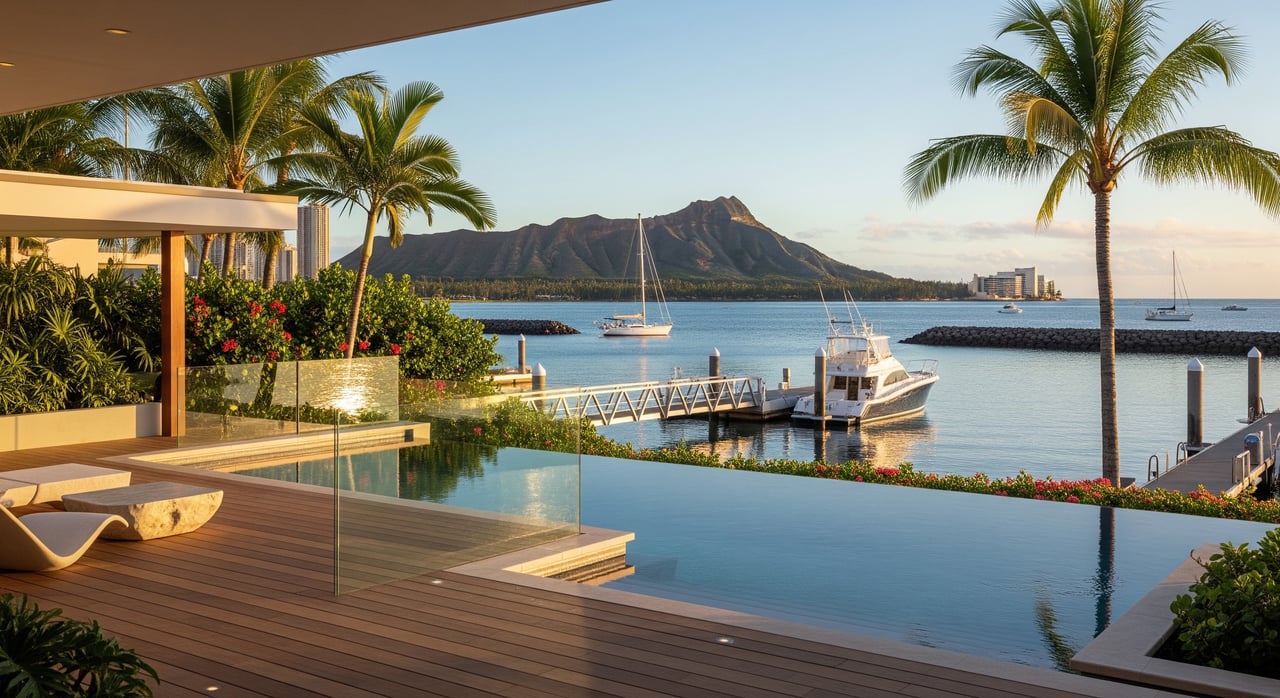
Picture your morning starting with the sun lifting over Koko Crater, a quick paddle on Maunalua Bay, then a short drive for coffee by the marina before your day begins. If you’re drawn to ocean access, big views, and a relaxed suburban rhythm, Hawaii Kai might feel like it was made for you. At the same time, you want a clear view of commute times, housing types, costs, and coastal considerations before you decide. This guide walks you through day-to-day life so you can decide if East Honolulu’s signature marina community fits your lifestyle. Let’s dive in.
Hawaii Kai at a glance
Hawaii Kai sits on the southeastern edge of Honolulu in East Honolulu, about a dozen miles from downtown. Drive time is highly traffic dependent. You can expect roughly 20 to 40 minutes off-peak, and longer during rush hour. Kalanianaole Highway is the primary corridor, so peak congestion is common.
The community took shape in the 1960s and 1970s under developer Henry J. Kaiser. The marina and canals were dredged to create waterfront lots and boat access, which is why you see curving residential streets, cul-de-sacs, and clusters of shops by the water. Today, Hawaii Kai blends marina living, hillside neighborhoods with views of Maunalua Bay, and convenient shopping centers that cover most daily needs.
Neighborhoods and vibe
Marina and canal living
If you love being on the water, the marina lifestyle is a standout. Many condos and single-family homes sit along canal inlets with boat access, and the Koko Marina area concentrates restaurants, services, and casual hangouts. You’ll see people launching kayaks and paddleboards before work or heading out for sunset cruises on weekends.
Hillside views
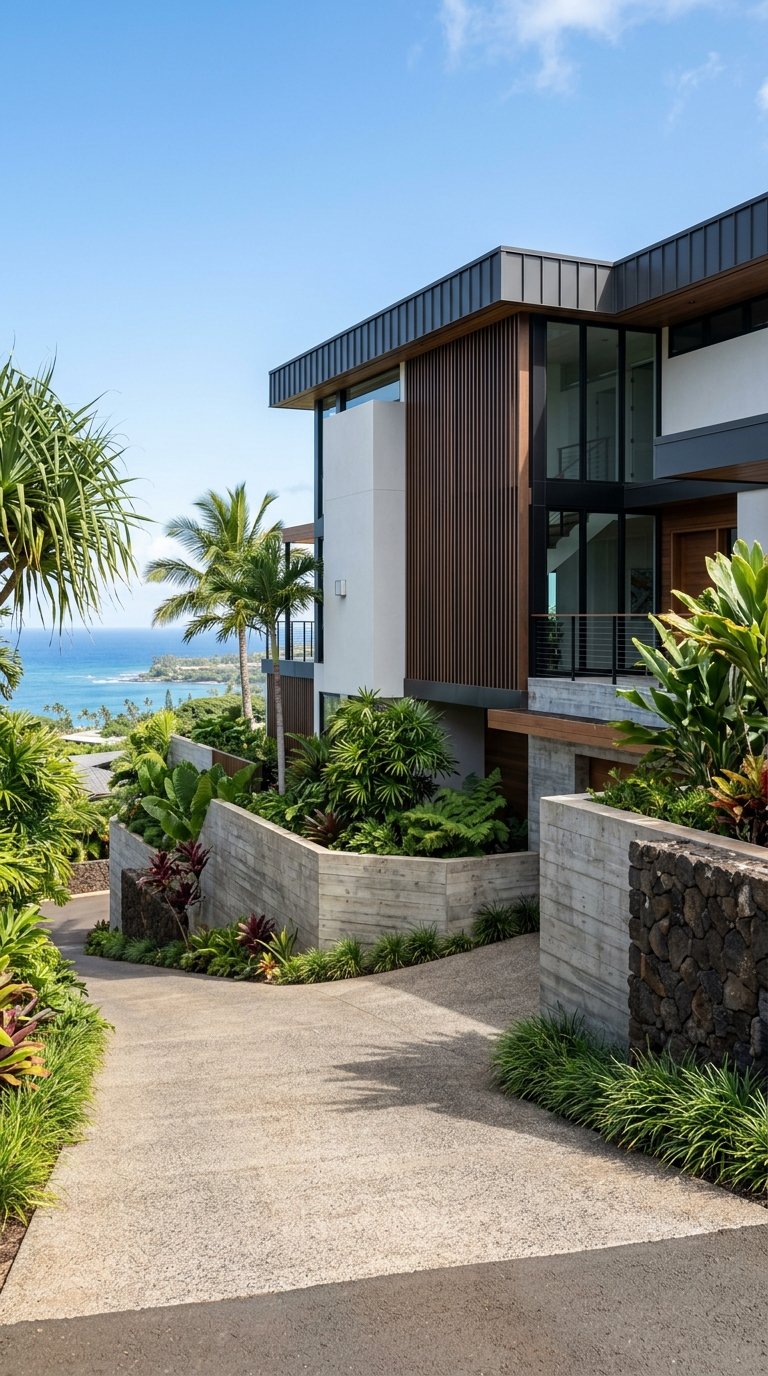
Homes on the slopes toward Koko Head often feature bay or coastline vistas and extra privacy. Yards can be steeper, and you’ll drive a few minutes down to the marina for shopping and dining. Many buyers choose these streets for the outlook and a quieter, tucked-away feel.
Portlock and shoreline pockets
Near-shore neighborhoods include a small enclave of higher-value, ocean-facing homes with close coastal access. If you prioritize space, privacy, and proximity to the shoreline, this area is worth a closer look.
Towne center convenience
Everyday errands are straightforward. Hawaii Kai Towne Center and Koko Marina Shopping Center anchor groceries, banking, pharmacies, fitness, and casual dining. You’ll find what you need nearby for daily life, then head into other Honolulu neighborhoods for specialty shopping or big nights out.
Daily life in Hawaii Kai
Outdoor and water first
Water defines the routine here. Maunalua Bay is ideal for canoeing, kayaking, paddleboarding, and recreational boating. On weekends, residents head to nearby Hanauma Bay for snorkeling, Koko Head and Koko Crater for challenging hikes, and Sandy Beach for strong surf conditions that experienced body-surfers enjoy. Neighborhood parks and Koko Head District Park offer playfields and community recreation.
Shopping and errands
Grocery runs, pharmacy pickups, and banking are close at hand, and most restaurants are casual with a local feel. For specialty items, luxury retail, or broader nightlife, you’ll likely drive toward central Honolulu. That balance keeps the neighborhood relaxed while giving you options a short drive away.
Dining and nights out
You’ll find marina-side cafes and restaurants perfect for a weeknight dinner or weekend brunch. If you want fine dining or late-night spots, plan a drive into town. Many residents prefer it that way. The local pace stays easy, and the city lights are close when you want them.
Getting around
Commuting realities
Most households rely on cars. The drive to central Honolulu is common for work and school. Off-peak, plan on about 20 to 40 minutes. During peak times, congestion along Kalanianaole Highway can lengthen the commute.
Practical tip: if a commute matters to you, test-drive it during your exact hours before you decide on a home. That firsthand experience is worth it.
Transit and parking
The city’s bus system, TheBus, serves Hawaii Kai with routes toward downtown and nearby neighborhoods. There is currently no rail service to East Honolulu. Most condos and single-family homes include assigned or garage parking. Street parking varies by street and visitor lots can be limited near the marina, so it helps to check parking during your showings.
Homes and what to expect
Housing types
You’ll find a mix of single-family homes, townhomes, and mid- to high-rise condos, with many clustered around the marina. Waterfront and canal homes often include private docks or boat access. Condos appeal to buyers seeking low-maintenance living with proximity to the water.
Costs and ownership details
Hawaii Kai is generally a higher-cost part of Honolulu because of its waterfront options, views, and suburban setting. Many communities have homeowners associations and monthly fees. Marina properties can involve dock rules and slip leases. Waterfront homes often carry higher insurance premiums for wind and flood. Lenders or insurers may ask for additional coverage. If a property is in a flood or tsunami evacuation zone, factor insurance and preparedness into your budget and plans.
Who buys here
Typical buyers include families, boating enthusiasts, professionals who commute to Honolulu, and downsizers who like single-level or condo living. If you want a suburban coastal lifestyle with strong access to outdoor recreation, Hawaii Kai belongs on your shortlist.
Schools and services
Public schools in Hawaii Kai are part of the Hawaii State Department of Education. Assignments follow DOE boundaries that can change. It’s best to verify the current school assignments, programs, and enrollment policies directly with the DOE. You can start with the Hawaii DOE’s main site for district contacts and school information at the Hawaii State Department of Education.
Basic outpatient clinics and healthcare services are available locally. For full-service hospitals, residents typically drive to facilities in central Honolulu or nearby communities. If proximity to a specific hospital is important, map drive times from the exact neighborhood you’re considering.
Safety and natural hazards
Hawaii Kai is commonly described as suburban and community oriented. As with any urban area, it’s smart to practice routine safety: lock vehicles, secure valuables, and get to know your neighbors.
As a coastal community, Hawaii Kai has specific natural hazards to understand. Some properties may be subject to coastal flooding, storm surge, or tsunami evacuation. The Hawaii Emergency Management Agency provides tsunami evacuation maps and preparedness guidance. For long-term planning, NOAA offers coastal and sea-level rise resources that can help you think about future risk. The City and County of Honolulu also publishes local updates and public safety information on the City and County of Honolulu website.
Before you buy, verify a property’s elevation, whether it sits in an evacuation zone, and any flood insurance requirements. This due diligence is standard for waterfront and low-lying areas.
Is Hawaii Kai right for you?
Hawaii Kai may be a good fit if you want:
- Easy access to the ocean for paddling, boating, and fishing.
- A relaxed, suburban pace with parks and neighborhood recreation.
- Marina-side dining and everyday shopping close to home.
- Hillside views or waterfront living with boat access.
Be sure you are comfortable with:
- Car-dependent routines and rush-hour traffic on Kalanianaole Highway.
- Higher housing costs relative to many other Honolulu neighborhoods.
- HOA fees, marina rules, and added insurance for waterfront properties.
- Occasional drives into town for specialty shopping or bigger nights out.
Quick pre-move checklist
- Test-drive your commute both ways during your typical hours.
- Confirm current school assignments and programs with the Hawaii DOE.
- Review HOA documents, marina rules, and any dock or slip fees if applicable.
- Discuss recent comparable sales and inventory with your agent for pricing context.
- Check tsunami evacuation maps and emergency guidance from HI-EMA.
- Review coastal and sea-level considerations with NOAA’s coastal resources.
- Walk the neighborhood at different times of day and check visitor parking.
Ready to explore Hawaii Kai?
If Hawaii Kai sounds like your kind of everyday, we would love to help you compare neighborhoods, understand HOA and marina details, and find a home that fits your budget and lifestyle. Reach out to Jordan Toohey to schedule a free consultation and start your Hawaii Kai search with a local, client-first partner.
FAQs
How long is the commute from Hawaii Kai to downtown Honolulu?
- Off-peak, plan for about 20 to 40 minutes. During rush hour, congestion on Kalanianaole Highway can add significant time.
What outdoor activities are near Hawaii Kai?
- You can paddle on Maunalua Bay, hike Koko Head and Koko Crater, snorkel at Hanauma Bay, and visit Sandy Beach, plus enjoy parks and community playfields.
Does Hawaii Kai have good everyday shopping?
- Yes. Hawaii Kai Towne Center and Koko Marina Shopping Center cover groceries, banking, pharmacies, fitness, and casual dining. Specialty shopping is usually elsewhere in Honolulu.
Is there rail service to Hawaii Kai?
- No. TheBus serves the area with routes into Honolulu, but there is currently no rail service to East Honolulu.
What types of homes are common in Hawaii Kai?
- A mix of single-family homes, townhomes, and mid- to high-rise condos, with many marina-adjacent options. Waterfront homes and canal properties often include boat access.
Are waterfront homes at risk from storms or tsunamis in Hawaii Kai?
- Waterfront and low-lying areas can face coastal flooding, storm surge, and tsunami evacuation considerations. Check HI-EMA guidance and verify flood insurance needs.
Where can I verify Hawaii Kai school assignments?
- Contact the Hawaii State Department of Education for current boundaries and enrollment policies at the Hawaii DOE.