Thinking about turning a Hawaii Kai home into a long-term rental or buying one as an investment? You’re smart to pause and run the numbers before you act. Hawaii Kai offers a lifestyle renters love and a market that rewards careful planning. In this guide, you’ll learn how the neighborhood performs, what rents and costs look like, the rules that matter on Oʻahu, and a simple checklist to decide your next step. Let’s dive in.
Hawaii Kai at a glance
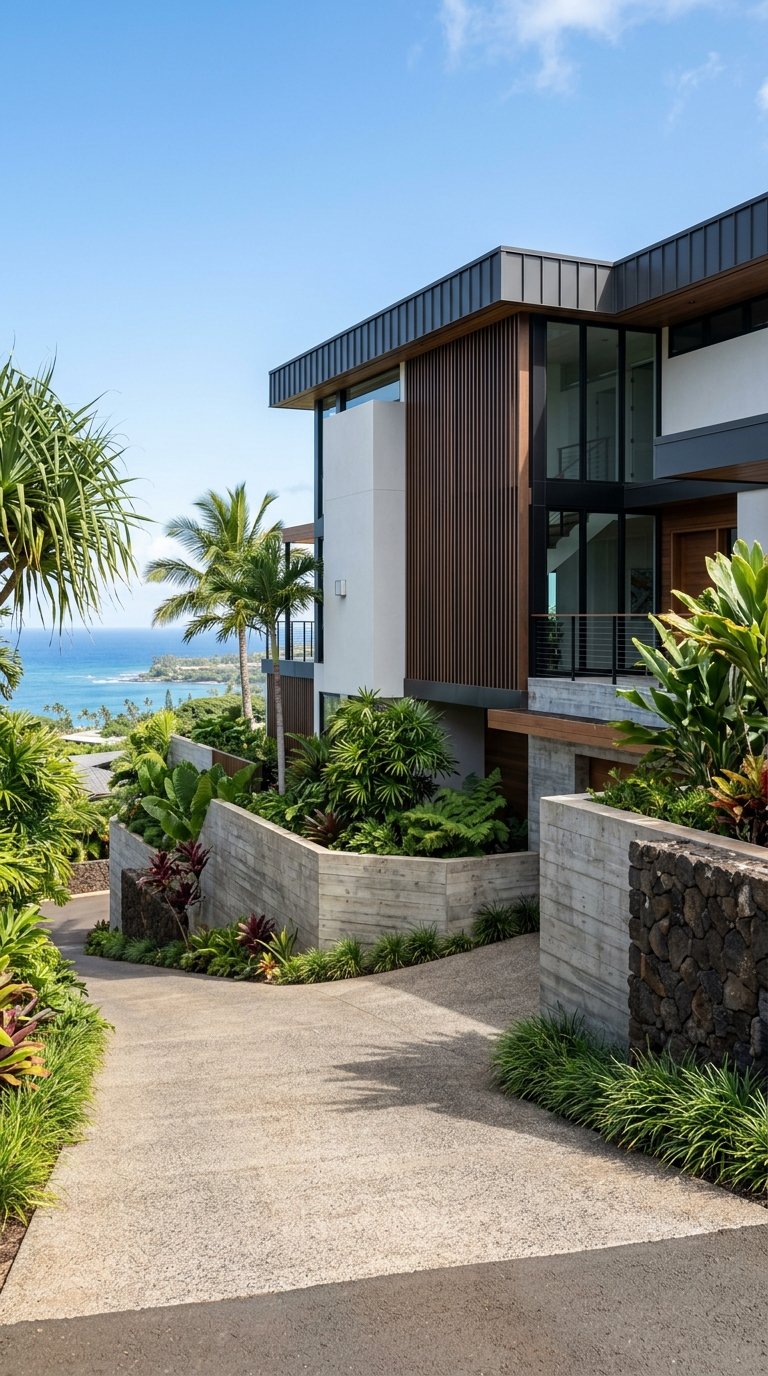
Hawaii Kai sits in East Honolulu around Koko Marina and Koko Crater. You’ll find marinafront condos, hillside single-family homes, and planned communities that appeal to people who want space, convenience, and access to the water. Retail and recreation are close by, which helps support steady, local rental demand.
The ZIP that covers Hawaii Kai (96825) skews toward owner-occupied homes and larger households. That means long-term renters here often look for 2 to 4 bedrooms rather than studios. You can review the broader household mix and housing profile in the ZIP 96825 snapshot.
Who typically rents here
Based on ZIP-level data, you can expect interest from families, dual‑income professionals, and downsizers seeking low-maintenance living. Neighborhood amenities like Koko Marina shopping, boating access, and commuter routes into Honolulu add to the appeal for long-term stays.
What the numbers suggest
Recent neighborhood reports have shown a median sale price around the 1.0 million dollar mark. Month-to-month changes are common, so treat this as a directional figure and verify with current comps when you evaluate a specific property.
On the rent side, neighborhood snapshots in early 2026 showed typical medians in the roughly 3,500 to 4,100 dollars per month range. Two-bedrooms often land near 3,600 to 4,000 dollars, and 3-plus bedrooms commonly achieve 4,000 dollars or more. Sources vary, so use a range and stay conservative when you underwrite.
Vacancy across Hawaiʻi has fluctuated since the pandemic, but established East Honolulu neighborhoods tend to be tighter than average once a rental is stabilized. For planning, assume short vacancy periods between tenants. You can track statewide trends with the Hawaiʻi rental vacancy rate series.
What rental types work in Hawaii Kai
Single-family homes
3-plus bedroom homes with a yard and garage usually match what many renters want here. These can command premium monthly rents, and turnover is often lower than small units.
Marina and peninsula condos
Two- to three-bedroom condos with parking and on-site amenities attract professionals and small families. Be sure to factor in HOA dues, any marina or berth fees, and building rules when you model cash flow.
Townhomes and duplexes
Townhomes near retail corridors can offer a middle ground on price point and rentability. Look for units with convenient parking and efficient layouts.
Features renters value
To maximize interest, highlight features like dedicated parking, in-unit laundry or convenient building laundry, air conditioning or split systems, and pet-friendly policies where allowed by the HOA. Proximity to shopping and everyday services helps too.
Rules you must know on Oʻahu
Short-term vs. long-term rentals
Honolulu treats long-term rentals of 30 days or more differently from transient vacation uses. A 2019 ordinance increased enforcement on illegal short-term rentals outside resort zones, and a 2022 change attempting a 90-day minimum was partially enjoined by federal court decisions for certain grandfathered uses. If you’re considering any stay under 90 days, do not assume it is permitted. Review current city guidance and the federal court record in HILSTRA v. City and County of Honolulu, which outlines key aspects of the 90‑day rule litigation. You can read the court order summary here.
Landlord-tenant basics for long-term rentals
Hawaiʻi caps a security deposit at one month’s rent and requires an itemized statement and any refund within 14 days after the tenancy ends. Noncompliance carries penalties. Review the statute at HRS §521‑44.
For habitability, repairs, notices, and lease provisions, use the state’s Residential Landlord-Tenant Code as your guide. The Hawaiʻi DCCA Office of Consumer Protection hosts plain-language resources for owners and tenants. See the Residential Landlord‑Tenant Code guidance.
Taxes for short stays vs. long stays
If you consider short-term rentals, be aware of Hawaiʻi’s tax stack. Short stays under 180 days trigger the state Transient Accommodations Tax and typically the General Excise Tax, plus applicable county surcharges. The state TAT rate increased to 11.00 percent effective January 1, 2026. Review state guidance on surcharges and pass‑on rules at the Hawaiʻi Department of Taxation. Long-term rentals are generally treated differently for TAT, but you should confirm your tax obligations with a qualified professional.
Operating costs and underwriting tips
Property management
Full-service property management commonly runs about 8 to 12 percent of monthly rent, though local providers vary by service level. See national benchmarks in this property management fee overview.
Vacancy and capital reserves
Even in tight submarkets, plan for turnover. A prudent reserve often includes 5 to 8 percent for vacancy and a separate line for capital expenditures. Statewide vacancy context is available in the Hawaiʻi vacancy rate series.
Insurance and island maintenance
Coastal exposure, salt air, and wind can drive higher maintenance and insurance costs than many mainland markets. Get quotes for homeowners, wind, and flood coverage before you commit, and build a preventative maintenance budget into your annual plan.
HOA dues and building-specific fees
Many marina or peninsula communities include sizable HOA or maintenance dues, and select complexes charge separate marina or berth fees. Always request current HOA budgets, rules, and fee schedules for the exact property you are evaluating.
Returns and cap rates
Investor surveys and commentary place stabilized residential cap rates in Honolulu in the low to mid single digits, depending on property type and scale. Many small single-family and condo investments on Oʻahu are evaluated on a blend of cash flow, tax treatment, and long-term appreciation rather than cap rate alone. For market context, review this Honolulu investment outlook.
Simple checklist: Is a Hawaii Kai rental right for you?
- Clarify your goal. Are you prioritizing steady cash flow, long-term appreciation, or future personal use? Your goal shapes your buy box and your timeline.
- Confirm zoning and rental term. If you plan any stay under 90 days, confirm legality first. Short-term rules are strict and enforcement is active.
- Build a conservative rent comp. Use at least three sources, including MLS rental history and a local property manager’s opinion, to set a realistic range.
- Run the full monthly model. Include mortgage, property tax, HOA, insurance, management fee, maintenance, utilities you might cover, and vacancy plus capex reserves. A calculator like this Hawaiʻi property tax resource can help you estimate taxes.
- Price insurance and hazards. Ask insurers about wind, flood, and special deductibles. Review flood maps and local emergency guidance as part of due diligence.
- Plan local operations if you live off-island. Line up a property manager, legal counsel familiar with Hawaiʻi landlord-tenant law, and trusted vendors for repairs.
Guidance for mainland and local owners
If you live on the mainland
Budget for island logistics and higher operating costs. Expect strict short-term rental rules and a layered tax environment for any transient occupancy. Before you buy, speak with a local property manager and accountant, and underwrite occupancy and expenses conservatively.
If you already own locally
Compare the after-tax cost of holding with your projected rental cash flow. Keep an eye on policy proposals that could affect holding costs and behavior. For context on empty‑homes discussions and potential impacts, see this UHERO analysis.
When Hawaii Kai might not be the right fit
- You need high cash-on-cash returns right away. With purchase prices often near the million-dollar mark and island operating costs, near-term cash flow can be tight.
- You want to rely on short-term rental income. Rules and enforcement limit that strategy in most residential areas. Long-term leasing is the safer path for compliance.
- HOA dues or marina fees break your model. In building communities, dues can materially change net returns. If they tip your numbers, expand your search to fee-simple homes without large associations.
Your next step
If the lifestyle, tenant profile, and long-term outlook line up with your goals, a Hawaii Kai rental can be a solid addition to your portfolio. The key is underwriting with real local data and a clear operating plan. If you want help modeling a specific property, reviewing HOA documents, or pricing rent, we’re here to help. Schedule a free consultation with Jordan Toohey to talk through your options.
FAQs
What are typical long-term rents for Hawaii Kai homes?
- Recent neighborhood snapshots show roughly 3,500 to 4,100 dollars per month for median rents, with 2-bedrooms near 3,600 to 4,000 dollars and many 3-plus bedroom homes achieving 4,000 dollars or more. Exact rents vary by property and season.
How strict are Honolulu’s short-term rental rules for Hawaii Kai?
- Honolulu restricts short-term rentals outside resort zones, and a 2022 attempt to set a 90-day minimum was partially enjoined for certain cases. Always verify legality before advertising under-90-day stays. See the federal court record here.
What is the maximum security deposit I can collect in Hawaiʻi?
- Hawaiʻi law caps the security deposit at one month’s rent and requires an itemized statement and any refund within 14 days after the tenancy ends. Review HRS §521‑44.
How should I budget for property management in Hawaii Kai?
- Many full-service managers charge about 8 to 12 percent of monthly rent, plus leasing or setup fees in some cases. Compare scopes of work and confirm what is included. See benchmarks here.
Are HOA dues a big factor for marina condos in Hawaii Kai?
- Yes. HOA or maintenance fees can be substantial, and some marina communities add separate berth or marina charges. Always review current HOA budgets and rules for the exact building.
What cap rates should I expect on Oʻahu residential rentals?
- Many stabilized residential assets in Honolulu trade at low to mid single-digit cap rates. Investors often evaluate deals on a mix of cash flow, tax benefits, and appreciation potential. Read an overview here.