Thinking about selling your Hawaii Kai home but not sure when to put it on the market? You’re not alone. Timing your sale can feel tricky in a place with sunny weather most of the year and buyers arriving from all over. The good news is you have options. In this guide, you’ll learn how seasonality really works in Hawaii Kai, which buyer groups are most active when, and how to plan your prep timeline so you list with confidence. Let’s dive in.
What “best time” really means
In Hawaii Kai, there isn’t one magic month that guarantees top dollar. The climate stays pleasant year-round, so buyers keep shopping in every season. That said, activity tends to cluster in spring and early summer, when families plan moves and mainland relocations ramp up. You’ll also see demand bumps tied to military PCS cycles and tourism travel windows.
Your best time depends on your goals, your home’s strengths, and how ready you are to launch a polished listing. A strong presentation often matters more than the exact month you go live.
Hawaii Kai seasonality at a glance
Hawaii’s seasonality is more muted than in cold-weather markets, but it still matters.
- Spring to early summer (roughly March through June) usually brings higher buyer traffic as mainland and local families plan moves and relocations begin.
- Summer can remain active, especially for buyers aiming to settle before the school year begins.
- Late fall through winter can attract investor interest and out-of-state visitors who tour properties while they’re on island.
- Because weather is mild year-round, a well-prepped listing can perform in any month, particularly when local inventory is tight.
Who is buying in Hawaii Kai
Understanding the buyer mix helps you time and tailor your sale.
- Relocating families: Often plan moves around the summer break, creating strong demand in late spring and summer.
- Military transfers (PCS): Many transfers cluster in late spring and early summer, which can drive concentrated activity.
- Local buyers and downsizers: Shop year-round based on life events; timing is flexible.
- Investors and second-home buyers: May lean toward late fall and winter when they visit, and they watch local rules closely, especially for short-term rental considerations.
If your home appeals to families or PCS buyers, spring and early summer can put you in front of your strongest pool. If your property has rental potential, late fall and winter can be productive if you prepare the right documentation.
Weather and showing dynamics
Hawaii’s warm climate supports showings all year, but small details affect presentation and turnout.
- Landscaping: Tropical growth is constant. Plan pruning and lawn care in the weeks before listing to keep things crisp, especially after wetter months.
- Exterior maintenance: Salt exposure near the marina and ocean accelerates wear. Power wash, touch up paint, and maintain metal fixtures before photography.
- Photo timing: Aim for sunny, wind-mild days. Marina and ocean-view shots shine with calm water and golden-hour light.
- Open houses: Many buyers tour on weekends. Late morning or early afternoon often works best for local and visiting buyers.
Best listing windows by goal
Goal: Maximize price with family and relocator demand
- Target window: March to June.
- Why it works: Aligns with mainland house-hunting season, family planning, and PCS cycles. You benefit from stronger weekend traffic and motivated buyers.
- What to prep: Start 8 to 12 weeks ahead with repairs, landscaping, staging, professional photos, and a clear pricing strategy.
Goal: Capture summer relocation and pre–school year moves
- Target window: May to July.
- Why it works: Many buyers want keys in hand before school starts. Serious relocators are active and ready to decide.
- What to prep: Same 6 to 12 week lead time; be ready for quick negotiations and consider strategic pricing to stand out.
Goal: Appeal to investors and second-home buyers
- Target window: November to February (and year-round when travel brings them to Oahu).
- Why it works: Visitors often tour properties during winter trips. Investor interest is strongly influenced by local regulations and property performance.
- What to prep: Provide rental history, occupancy notes, and documentation showing compliance with current City and County rules as applicable.
Pricing and inventory considerations
Even outside the peak windows, low inventory can create opportunity. If months of supply tighten, listing sooner rather than later can help you stand out. The key is to balance market conditions with your readiness. A home that shows beautifully and is priced with clear, data-informed logic tends to attract faster offers and stronger terms.
Micro-neighborhood notes within Hawaii Kai
- Marina-front and Portlock properties: Waterfront and luxury segments can follow their own rhythm, often emphasizing premium photography, lifestyle marketing, and private showings. Timing is flexible when presentation and targeting are strong.
- Inland single-family and townhomes: Family-oriented buyers may cluster in late spring and summer. Weekend open houses can be especially productive.
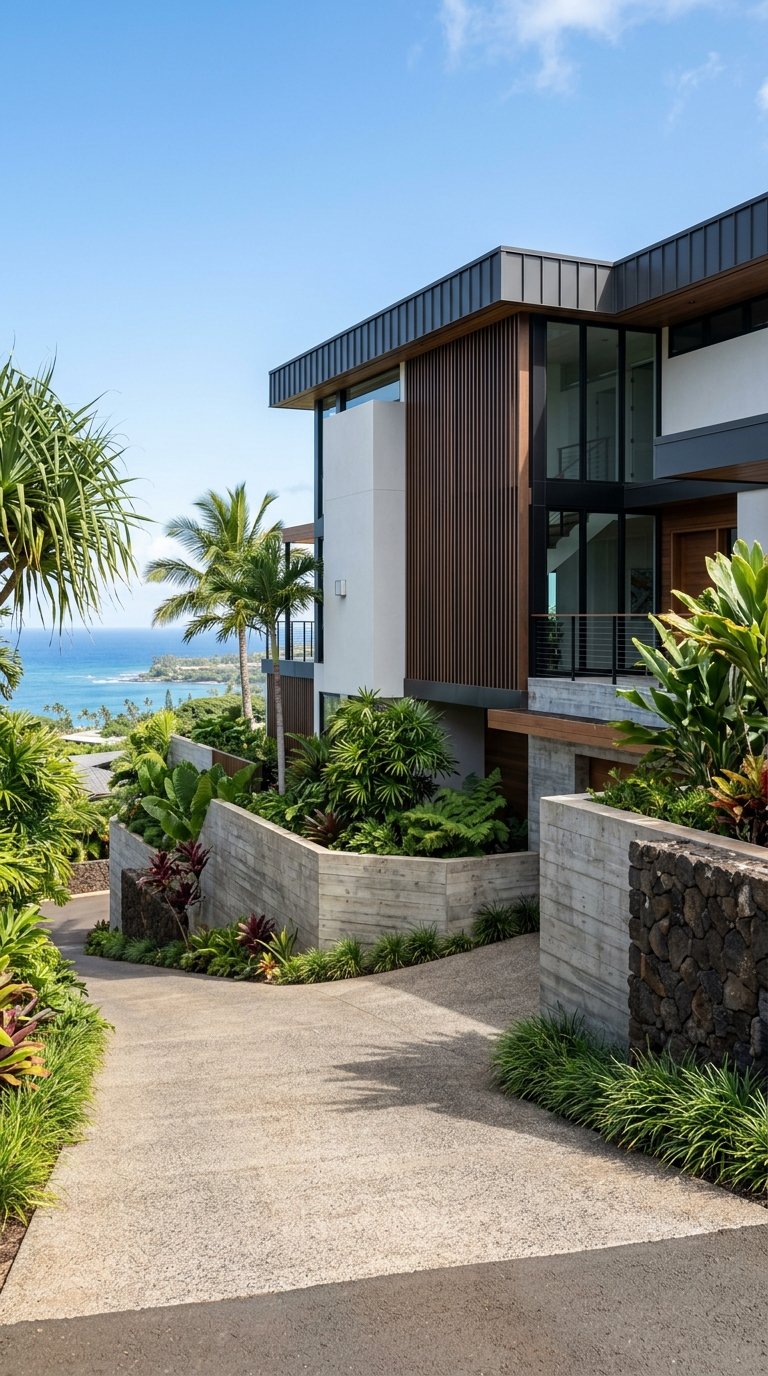
- View and ridge homes: Weather and wind can affect showings and photos. Plan photography for calmer days and highlight lifestyle features like sunrise or sunset views.
Your 8 to 12 week prep timeline
A clear plan keeps your launch smooth and on schedule. Here’s a practical run-of-show you can tailor to your goals.
10 to 12 weeks out: Plan and inspect
- Meet with your agent to discuss target buyer profiles, timing, and pricing strategy.
- Order a pre-listing inspection if you want to get ahead of repairs.
- Map your budget and timeline for improvements with the highest return on presentation.
8 to 6 weeks out: Repair and refresh
- Complete repairs, paint touch-ups, power washing, and any metal and marina-related maintenance.
- Tame landscaping, pressure clean hardscapes, and check exterior lighting.
- Begin light staging and decluttering to brighten rooms and open sightlines.
4 weeks out: Finalize marketing
- Schedule professional photography and, if helpful, a floor plan.
- Prepare disclosures, permits, and any rental documentation relevant to your buyer audience.
- Finalize your go-to-market plan, including open house schedule and digital exposure.
Listing week: Launch strategically
- Consider listing mid-week to build momentum into the weekend.
- Host your first open house during high-traffic weekend hours.
- Keep the home in show-ready condition for early showings and private tours.
Staging and curb appeal highlights
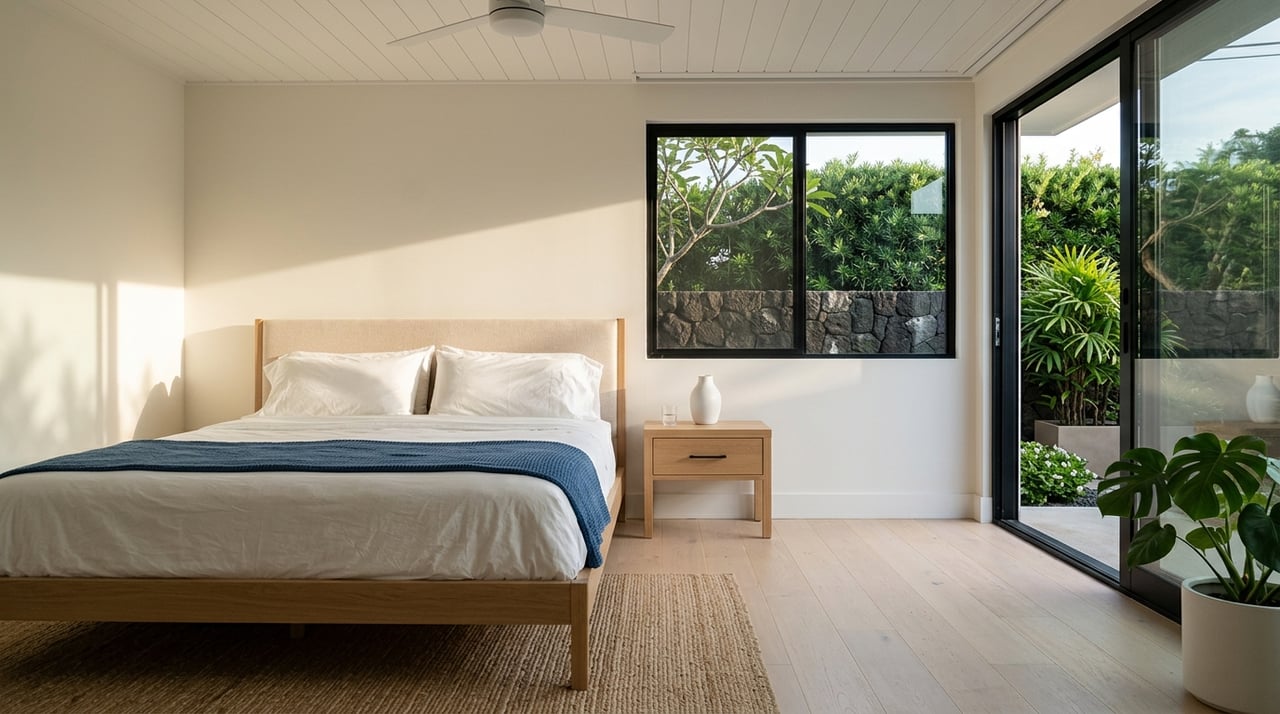
- Bright and airy: Use sheer window treatments and neutral accents to let light in and emphasize indoor-outdoor flow.
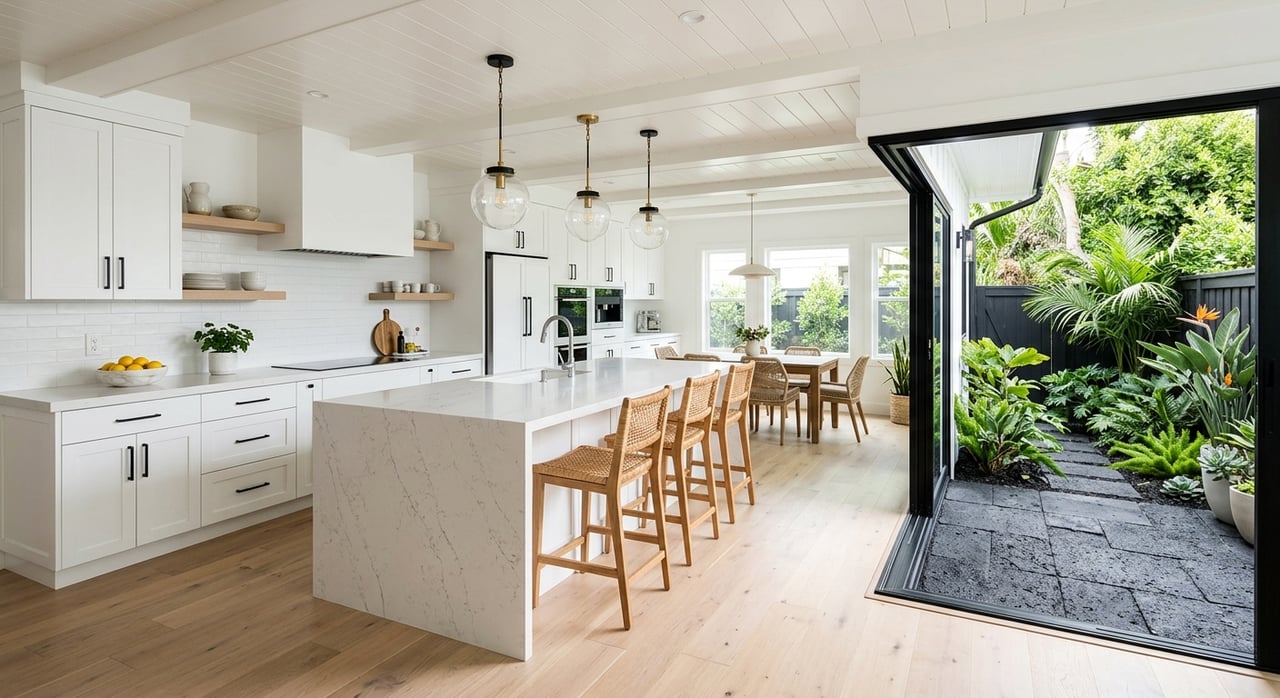
- Outdoor living: Stage lanais and yard spaces to show how the home functions for morning coffee, dining, or sunset gatherings.
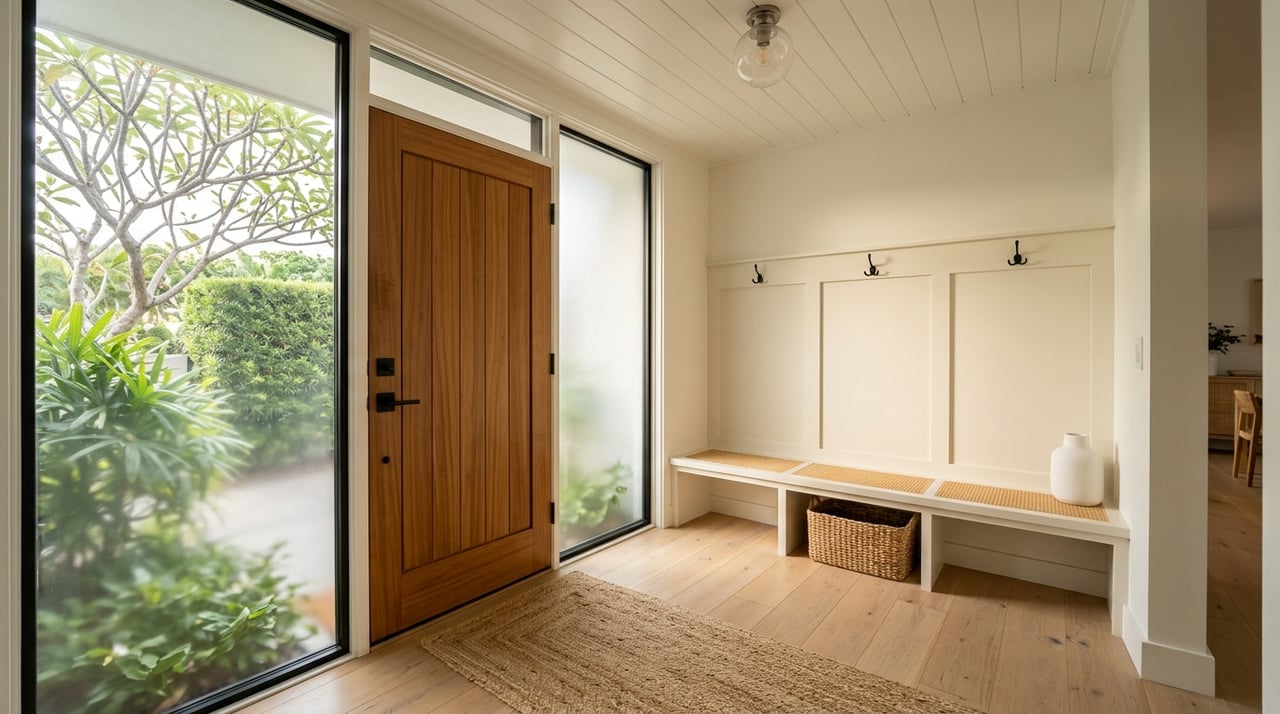
- Storage clarity: Organize closets and garages so buyers see real utility, not clutter.
- Little luxuries: Fresh palms, new doormats, and crisp bedding add welcoming touches without overspending.
Investor and regulation check-ins
If your home’s value story involves potential rental income, make sure you understand current City and County rules before you advertise anything. Clarify what is and is not allowed for your property type and location, and have documentation ready. Clear, accurate information builds buyer confidence and speeds up decision-making.
Weather-smart photography and showings
- Aim for sunny days and calm winds, especially for marina or ocean-view shots.
- Use natural daylight for interiors. Golden-hour images can elevate your listing cover photo.
- If listing during wetter months, have a backup photo day and keep entry areas dry and tidy for showings.
Common pitfalls to avoid
- Rushing to market before the home is ready. A bit more prep time can pay off in price and speed.
- Ignoring buyer timing. If your top target is families or PCS buyers, align your launch with late spring and early summer.
- Overlooking small exterior issues. Salt, mildew, and fast-growing landscaping can undermine curb appeal quickly.
- Skipping documentation. Disclosures, permits, and rental details help buyers move forward confidently.
The bottom line for Hawaii Kai sellers
Because Hawaii Kai’s climate keeps buyers active all year, you have flexibility. If your priority is maximum exposure to families and relocators, list in spring to early summer. If your home speaks to investors or second-home buyers, late fall to winter can work well. In every case, your best outcome comes from a polished presentation, smart pricing, and a launch plan tailored to your most likely buyer.
Ready to talk timing and build a plan for your home? Let’s create a strategy that fits your goals and the realities of the Hawaii Kai market. Reach out to Jordan Toohey for a friendly, no-pressure consult.
FAQs
What is the best month to sell a home in Hawaii Kai?
- Spring to early summer often brings more buyer activity, but strong prep and pricing can make any month successful.
How do military PCS cycles affect my listing timing?
- Many transfers occur in late spring and early summer, which can boost serious, ready-to-move buyers during that window.
Is winter a bad time to sell in Hawaii Kai?
- Not necessarily. The climate supports year-round showings, and winter can attract investors and out-of-state visitors.
How early should I start preparing my home to sell?
- Begin 8 to 12 weeks before listing to handle repairs, landscaping, staging, photos, and paperwork without stress.
Do short-term rental rules impact buyer demand?
- Yes. Regulations influence investor interest. If rentals are part of your value story, prepare accurate compliance documentation.
Should I wait for mortgage rates to drop before listing?
- Timing rates is hard. If inventory is low and your home is ready, listing sooner with a thoughtful strategy can still produce strong results.