Trying to decide between a single-family home and a townhome in Kaneohe? You are not alone. Many buyers weigh yard space, maintenance, HOA rules, and overall costs before making a choice. In this guide, you will get a clear, Kaneohe-specific comparison so you can match the right home style to your budget and lifestyle. Let’s dive in.
Kaneohe at a glance
Kaneohe sits on Windward Oahu with a mix of bayfront homes, hillside neighborhoods, and planned townhome and condo communities. You will find buyers drawn to its green space, easy access to outdoor activities, and proximity to central Oahu and Honolulu. Inventory can be competitive, especially for single-family homes with yards and for well-located townhome complexes near services. Use current MLS data for the latest prices and days on market when you are ready to move.
Single-family vs townhome: quick take
- If you want a private yard, room to expand, more parking, and freedom to customize, a single-family home often fits.
- If you want lower exterior maintenance, shared amenities, and a simpler footprint, a townhome can be a smart move.
- Entry prices for townhomes are often lower, though monthly HOA fees are part of the budget.
- Single-family homes typically carry higher total prices and higher price per square foot because land value drives much of the premium.
Maintenance and upkeep
Single-family responsibilities
You are responsible for everything: exterior, roof, landscaping, fencing, driveways, and any pools or outbuildings. Hawaii adds unique factors like salt air that can corrode metal, heavy rains that wear roofs and test drainage, and termite risk. Plan a larger annual maintenance budget and regular inspections for termites, mold, and roof condition.
Townhome responsibilities
Your HOA often covers building exteriors, roof, common landscaping, and shared areas. You handle interiors and limited patio or yard space. This lowers the time commitment, which is helpful if you travel or prefer low maintenance. The tradeoff is less control over project timing and quality, plus the possibility of special assessments when big repairs are needed.
HOA rules and costs
Most Kaneohe townhomes are within associations that set covenants, conditions, and restrictions. Review monthly dues and what they include, such as roofing, painting, reserves, master insurance, water and sewer, trash, and security. Look at the reserve study, recent special assessments, and meeting minutes for insight into upcoming projects and potential costs.
Check rental rules and pet and parking policies. For insurance, the HOA’s master policy typically covers common areas and building exteriors, while you will want an HO-6 or similar policy for your interior, contents, and liability. Always read the full HOA packet before you remove contingencies.
Outdoor living and space
Single-family yard potential
Detached homes in Kaneohe often offer larger, private yards, especially in valley and hillside subdivisions. You can garden, add play space, expand the lanai, or explore accessory dwelling unit possibilities if zoning and permits allow. Waterfront lots may have seawalls or shoreline rules that require extra due diligence.
Townhome patios and common areas
Townhomes often provide small private patios and shared greenspace rather than full yards. Outdoor living centers on low-maintenance lanais and common areas. Exterior changes and landscape alterations are usually subject to HOA approval.
Costs and monthly budget
Price-per-square-foot and entry price
Single-family homes usually command higher total prices and higher price per square foot because of land value, with premiums for bayfront and hillside views. Townhomes typically offer a lower entry price and less exterior maintenance. Remember to factor HOA fees into your monthly carrying costs when you compare options.
Financing and approval
Both property types can work with conventional, VA, and FHA financing. Townhome and condo developments may need to meet specific approval standards for certain loans, which can affect timelines and options. Detached homes do not require condo project approvals, which can simplify underwriting.
Insurance and taxes
Hawaii’s climate means you should look closely at policies that address wind, storms, humidity, and termites. If a property is in a flood zone, factor in flood insurance. Honolulu County’s property taxes are generally lower than many mainland areas, but your classification and exemptions matter. Confirm current rates and owner-occupant rules with the county when you budget.
Rentals and rules
If you plan to rent in the future, check both HOA restrictions and county and state rules. Many associations limit short-term rentals and may have minimum lease terms or rental caps.
Kaneohe neighborhood contexts
Bayfront and Heeia/Kaneohe Bay Drive areas
You will see single-family waterfront properties with higher land values and specific considerations like seawall permits, shoreline setbacks, and insurance needs. Expect premium pricing and specialized due diligence.
Valley and hillside subdivisions
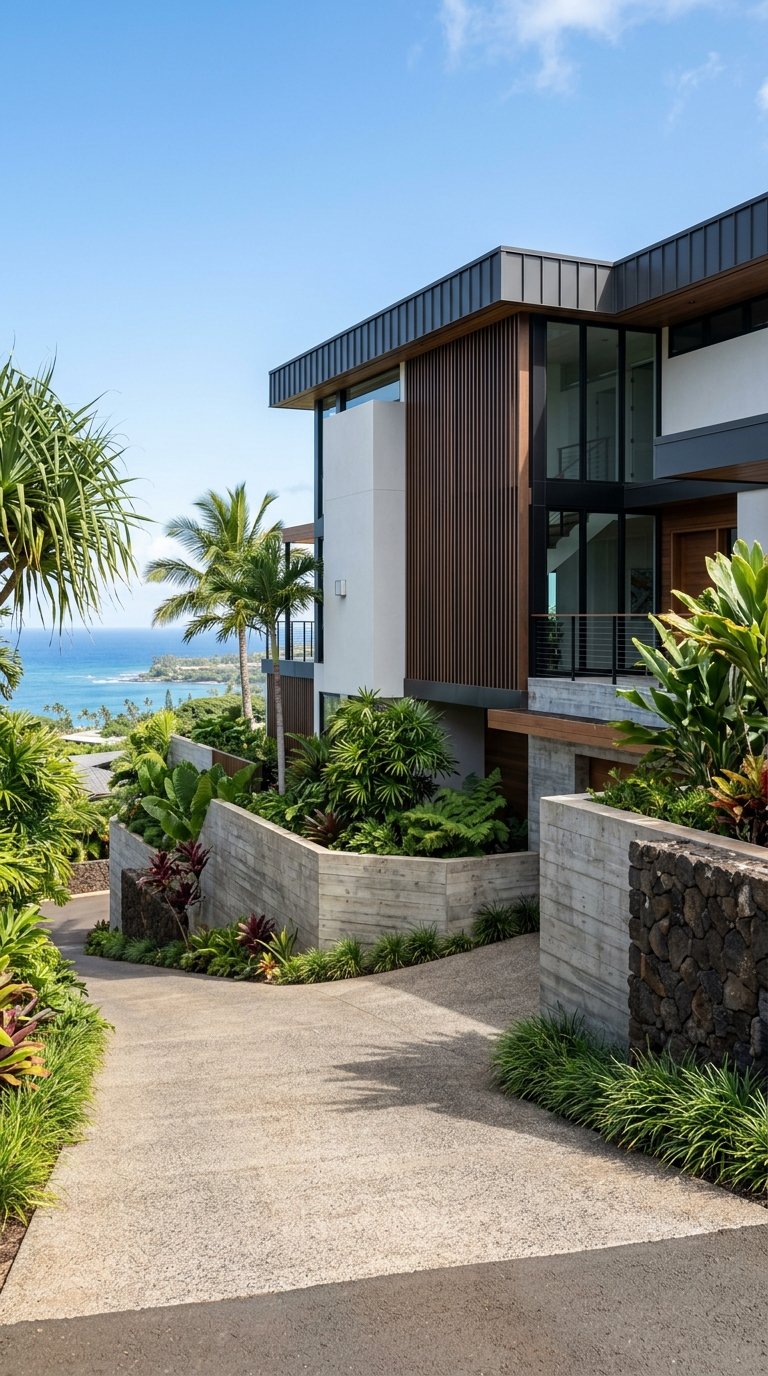
Detached homes on sloped lots can offer larger yards and views. Pay attention to drainage, grading, retaining walls, and driveway access, especially during heavy rains. A clear inspection and permit history review are essential.
Townhome communities near services
Planned townhome and garden-style complexes cluster near Kaneohe’s commercial centers and transit. These can appeal to first-time buyers, downsizers, or investors who value low-maintenance living close to everyday needs. Review HOA health, rules, and any upcoming capital projects before you buy.
Due diligence checklist
Use this list with your agent, inspector, lender, and escrow team:
- Recent comparable sales and current MLS trends for pricing context
- Full seller disclosures and permit history for additions and repairs
- Structural, roof, plumbing, electrical, and water intrusion inspections
- Termite inspection reports and any treatment history
- Flood zone and tsunami evacuation maps, plus local hazard overlays
- Sewer versus cesspool status and any conversion requirements
- Zoning and allowed uses, including ADU potential and home business rules
- Commute patterns and proximity to daily services
- For townhomes and condos: HOA budget, reserve study, last 2–3 years of financials, master insurance summary, meeting minutes, rules, and any pending litigation
- For single-family: cesspool or septic reports, boundary surveys and easements, shoreline and seawall permits if waterfront, and tree management needs
Who each option fits
- First-time buyers: Townhomes often provide a more affordable entry and reduced exterior maintenance. Single-family is possible with the right program and budget, but plan for higher upkeep.
- Downsizers and retirees: Townhomes can simplify life with lower maintenance and potentially single-level layouts. A single-family home still makes sense if privacy and yard space are top priorities.
- Families: Single-family homes often win for yard space and flexibility. Townhomes can also work if you value low maintenance and proximity to parks and services.
- Investors: Townhomes can be easier to rent but may have HOA rental limits. Single-family homes may command higher rents with more maintenance to manage.
Ready to compare your options in person?
When you are choosing between a Kaneohe single-family home and a townhome, the right call depends on how you live, what you want to maintain, and how you plan to use the property over time. If you want a partner to walk you through the tradeoffs and current inventory, reach out to Jordan Toohey to schedule a free consultation. We will help you run the numbers, review HOA packets, and pinpoint the fit that feels right.
FAQs
What are the biggest maintenance differences in Kaneohe?
- Single-family homes put exterior, roof, and yard care on you, with Hawaii-specific concerns like salt air corrosion, termites, mold, and heavy-rain drainage. Townhomes shift much exterior work to the HOA, though you will have less control and potential special assessments.
How do HOA fees impact townhome budgets?
- Dues can cover roof, exterior, reserves, master insurance, and some utilities, which reduces your direct maintenance but raises monthly costs. Always review the reserve study, recent assessments, and meeting minutes before you buy.
Can I add an ADU to a Kaneohe single-family lot?
- It depends on zoning, lot size, and permits. Many buyers choose single-family homes for expansion potential, but you should confirm allowable uses with local planning and review the property’s permit history.
What should I know about flood zones near Kaneohe Bay?
- Low-lying and bayfront areas can fall within FEMA flood zones and may require flood insurance. Higher elevation inland lots are typically less exposed, but always confirm with maps and your insurer.
Are VA and FHA loans available for townhomes in Kaneohe?
- Yes, but condo and townhome projects may need to meet specific approval standards for certain loans. Detached homes avoid condo project approvals, which can simplify financing.
How do Honolulu property taxes affect my purchase?
- Taxes vary by classification and exemptions, and owner-occupant status can reduce your bill. Check current county rates and confirm how your classification will apply to your property.