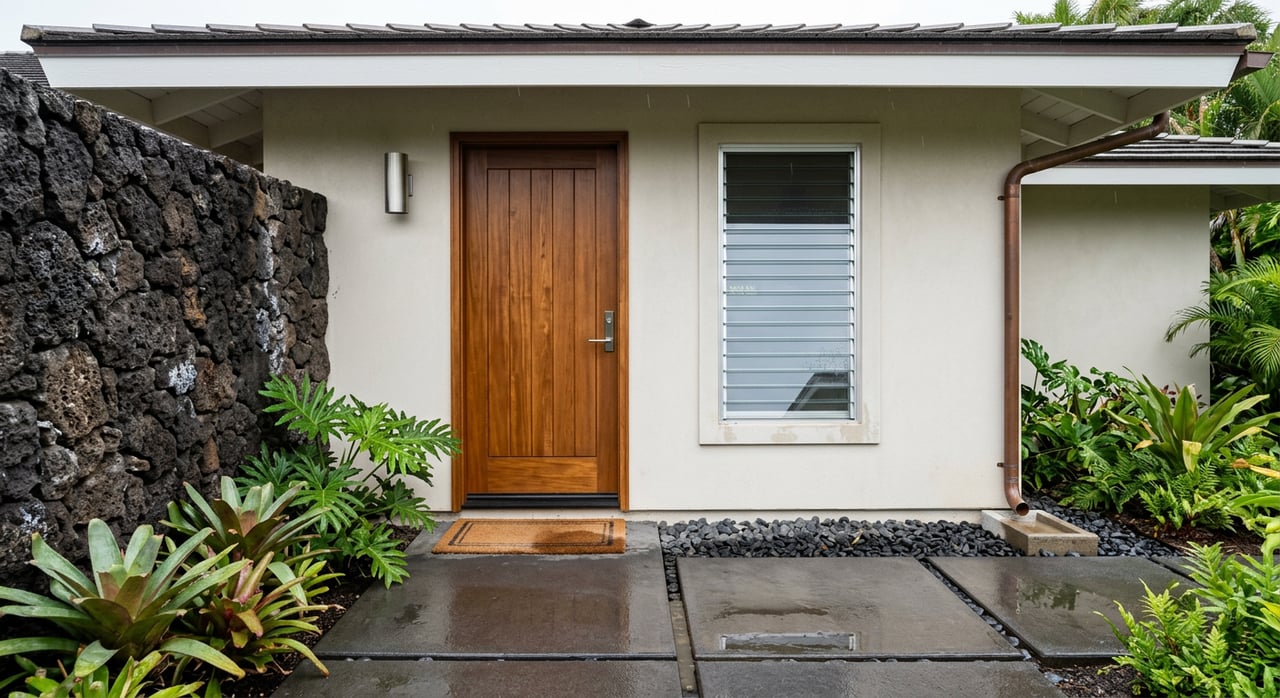
Thinking about selling your Kaneohe home in the next 6 to 12 months? On the Windward side, moisture, termites, and permitting details can make or break a deal. You want strong offers and a smooth escrow, not last‑minute surprises. In this guide, you’ll get a clear plan focused on Kaneohe’s wet climate, what today’s buyers prioritize, and the prep steps that protect your price. Let’s dive in.
Why Kaneohe buyers pay for move‑in ready
Local price context
Oahu’s single‑family median sale price was reported near $1.14 million in February 2026, according to the Oahu market report for February 2026. Kaneohe neighborhood‑level medians often come in lower than the island median and can vary by micro‑area and condition. Use a current CMA to set your strategy because buyers will compare your home to recent sales nearby.
What Windward buyers value
Kaneohe buyers include island households, military and off‑base purchasers connected to Marine Corps Base Hawaii at Kaneohe Bay, and lifestyle buyers who prize indoor‑outdoor living. You’ll make a stronger first impression when you highlight:
- Flexible layouts that work for multi‑generational living.
- Covered lanais and usable outdoor space in all weather.
- Storage for water gear and parking that fits island life.
- Solid systems with no active termite or moisture issues.
Fix first: moisture, termites, and systems
Windward Oahu sees more rainfall and persistent humidity than leeward Honolulu. NOAA station records for windward Oahu reflect higher precipitation patterns that drive different maintenance priorities. Address these items early to protect your price and reduce concessions later.
Termite and wood‑rot
The Formosan subterranean termite is the most economically important termite in Hawaii. Lenders and buyers expect a clean WDO report. Schedule a termite inspection now, treat if needed, repair any damage, and keep receipts. Share documentation to remove doubt. Learn more from University of Hawaii CTAHR termite guidance.
Roof, gutters, and drainage
Heavy, frequent rain exposes weak points fast. Have a roofer check for failed flashing, missing shingles, or soft spots. Clean and extend gutters and downspouts so water flows away from the foundation. Photograph the improvements for your listing so buyers see a dry, well‑managed exterior.
Moisture, mold, and ventilation
In humid climates, visible mold or damp crawlspaces quickly erode buyer confidence. If inspectors flag elevated moisture, hire licensed pros to remediate and document the work. Clear attic and crawlspace vents, add vapor barriers where appropriate, and run dehumidification to stabilize interior humidity before showings.
Exterior corrosion and paint
Salt‑air and humidity accelerate corrosion and paint failure near the coast. Where practical, upgrade to stainless or corrosion‑resistant fasteners and hardware, and use marine‑grade exterior paints and mildew‑resistant coatings on ocean‑facing walls. Coastal engineering resources support these material choices for longevity in salt environments. See this coastal engineering guidance on salt exposure for context.
Wastewater: cesspool or septic
Confirm whether you have a cesspool or an individual wastewater system, then gather records. Hawaii has ongoing programs related to cesspool conversion and wastewater management that can affect negotiations or timelines. Start with the Hawaii Department of Health Wastewater Branch FAQs and share any documentation with your agent and buyers.
Electrical and major systems
Older panels, end‑of‑life water heaters, and safety issues often surface in buyer inspections. Replace failing or unsafe items ahead of time when possible. A serviceable, safe home helps buyers focus on your floor plan and location rather than a punch list.
Consider a pre‑listing inspection
A proactive inspection identifies the same issues a buyer’s inspector will likely find. You can choose what to fix, disclose upfront, or price accordingly. Fewer surprises means less risk of renegotiation and a steadier path to closing. Learn how pre‑listing inspections can help prevent failed deals.
Make wet‑climate curb appeal shine
Landscaping that works in Kaneohe
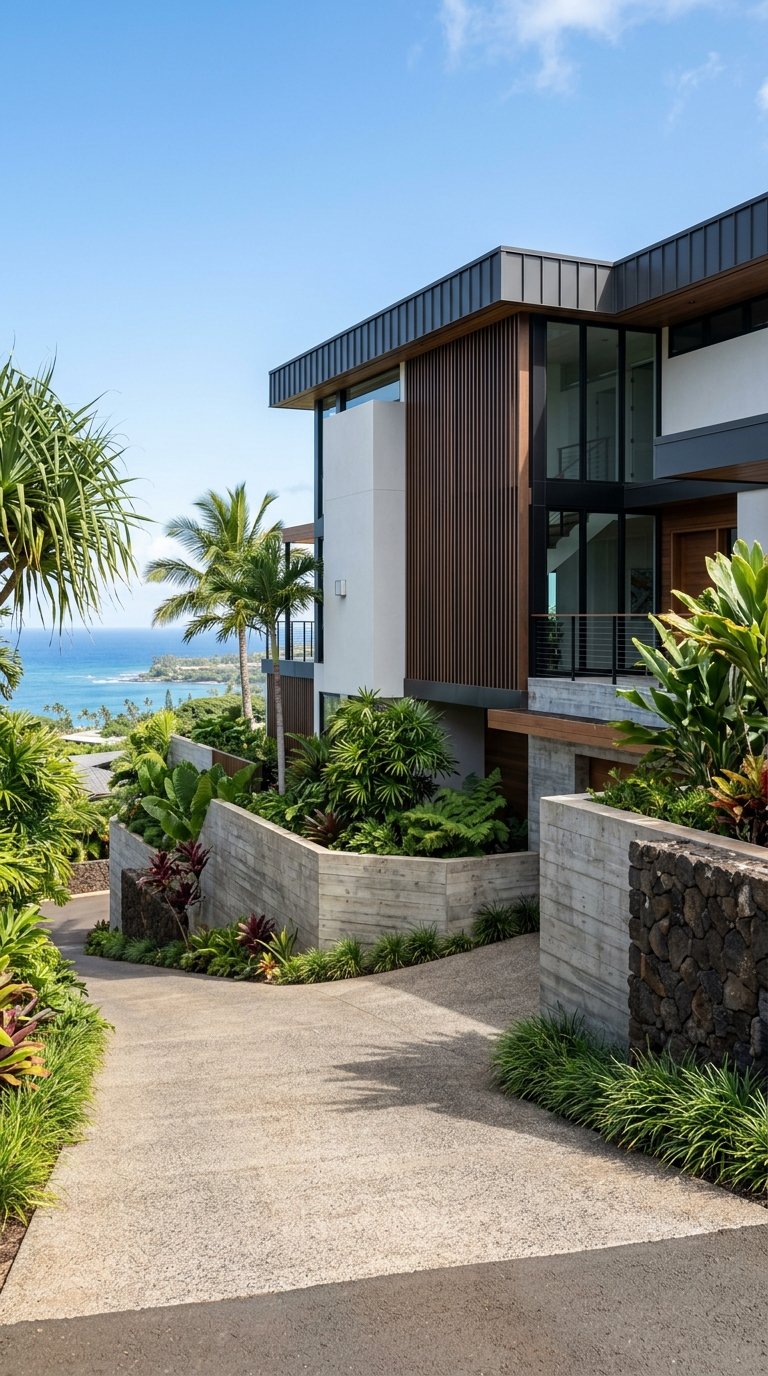
Choose low‑maintenance, erosion‑resistant, and salt‑tolerant plants that handle frequent rain without pooling water near the house. Native or well‑adapted species reduce upkeep and align with local preferences. Keep vegetation trimmed away from walls to prevent moisture traps and allow airflow.
Hardscape, grading, and runoff
Walk the property during or after a rain. You want positive slope away from the foundation and clean pathways for runoff. Repair failing retaining walls and avoid water‑collecting beds against the house. These visible fixes reassure buyers that you’ve managed Kaneohe’s wet season well.
Coastal‑grade materials and finishes
If you are repainting or replacing exterior elements, use mildew‑resistant, marine‑grade coatings and stainless or other corrosion‑resistant hardware on exposed sides. Calling out “coastal‑grade hardware and finishes” in your feature list signals durability and care.
Photos that show usability
Plan photos in the best weather window, but do not hide the practical features. Stage covered lanais to show real use on wet days, and include organized storage for boards and kayaks. If you upgraded gutters or drainage, include a detail photo so buyers see the investment.
Showcase multi‑generational living
Present separate living spaces clearly
If your layout supports extended households, make that easy to understand. Label and photograph a downstairs suite or ohana area with a private entrance, a kitchenette if present, and a full bath. Emphasize privacy features like solid doors, updated locks, or separate climate controls where applicable. Clear labeling helps your home stand out to buyers seeking flexibility.
Be transparent about permits
If you have an ohana or ADU space, verify permits and any deed restrictions before marketing it as a separate unit. City rules evolve, and buyers will ask for documentation. Review recent City and County discussions on ADU and ohana rules and confirm with DPP before you advertise separate‑unit status. Start here: City and County of Honolulu agenda viewer. If a space is unpermitted, present it transparently and discuss feasible paths to legality with your agent.
Disclosures and risk checks
Hawaii law requires a seller disclosure statement for most residential sales. You must disclose known material facts and amend the form if new information arises. Review Hawaii Revised Statutes Chapter 508D and work with your agent or attorney to complete the SRPDS on time.
Also check your flood status and coastal risk context before you draft listing remarks. FEMA flood maps and the State sea‑level rise viewer are widely used in Hawaii. This overview of sea‑level rise mapping used in Hawaii explains why it is relevant. Avoid definitive claims in the listing unless you have verified sources.
Smart timeline: 6 to 12 months
Use this timeline to get sale‑ready without rushing.
6 to 12 months out
- Schedule a pre‑listing home inspection and a separate termite/WDO inspection. Compile reports, estimates, and invoices. Share clean reports in your disclosure packet.
- Confirm wastewater system type and status. Gather permits and maintenance records. See the Hawaii DOH Wastewater Branch FAQs.
3 to 6 months out
- Complete high‑ROI exterior work: repaint ocean‑facing walls, replace corroded hardware, refresh lanais, and tidy landscaping away from walls.
- Address safety and weather exposure: roof repairs, gutter cleaning and extensions, splash blocks, and grading adjustments.
- Resolve moisture issues: ventilation improvements, dehumidification routine, and professional remediation if needed.
1 to 2 months out
- Finalize staging and professional photography. Capture covered outdoor spaces and storage solutions.
- Build your documentation packet: inspection and termite reports, permits and history for any ohana/ADU, repair receipts, utility info for new systems, and your completed SRPDS.
Pricing and presentation
Buyers in Kaneohe often pay a premium for homes that feel move‑in ready with no major moisture, termite, or systems concerns. Use neighborhood comps and your agent’s CMA to price strategically. Support your asking price by showcasing documented maintenance, clear permit status for any secondary spaces, and durable, coastal‑grade finishes that fit Kaneohe’s climate.
Ready to plan your sale? If you want a calm, step‑by‑step process and local guidance tailored to Windward buyers, connect with Jordan Toohey to schedule a free consultation.
FAQs
What should Kaneohe sellers fix first before listing?
- Prioritize termite treatment and repairs, roof and gutter performance, and any moisture or mold issues. These items most often affect buyer confidence and negotiations on the Windward side.
How does Kaneohe’s wet climate change curb appeal prep?
- Frequent rain and humidity mean you should manage drainage, choose mildew‑resistant paints, and use corrosion‑resistant hardware. Show buyers that outdoor spaces are usable even on wet days.
Do I need to disclose an unpermitted ohana or ADU in Kaneohe?
- Yes. Verify permit status with DPP before marketing any separate unit, disclose what you know, and share documentation. Be transparent about what is and is not permitted.
What is required in Hawaii’s seller disclosure (SRPDS)?
- Most residential sellers must disclose known material facts and deliver the SRPDS within state timelines. If new facts arise before closing, you must amend the disclosure.
Should I get a pre‑listing inspection in Hawaii?
- It is often a smart move. A pre‑listing inspection helps you decide what to fix, disclose, or price for, reducing the risk of renegotiation and failed escrow.
How do cesspools or septic systems affect a Kaneohe sale?
- Confirm system type and gather records early. Hawaii has ongoing wastewater and cesspool programs that can affect negotiations, so documentation helps buyers plan with confidence.